
Snakes
From the earliest traces of human culture, snakes have occupied a singular place in our imagination. Etched onto rocks, woven into myth, and embedded in medical and religious symbols, they persist as archetypal figures in the human mind. Evolutionary biology offers one explanation: for millions of years, primates coexisted with serpents as both threat and teacher, shaping neural pathways attuned to vigilance as well as awe. What emerges is a deep-rooted mixture of fear, respect, and fascination - an inherited attentiveness rather than simple dread.
I share this fascination and respect for snakes. When I photograph them, it is with an awareness of their presence and, in the case of venomous species, the risks they naturally carry. I avoid handling or disturbing them and do not attempt to move them from their habitats. Whenever possible, I photograph them in situ, allowing the encounter to remain brief and unobtrusive - guided by patience, distance, and an appreciation for the animal as it exists in its own environment.
Many of the images are taken in rainforest environments, which often means a lot of searching, using your eyes to the maximum, or taking the help of very knowledgeable local guides or experts. Every time I find a snake, my heart skips faster.
Most of the species are inherently difficult to photograph. Shy by nature, they will often retreat quickly if not approached with care, while more agile species in constant motion present additional challenges. I often work at close distances and now rarely use telephoto lenses. Instead, I increasingly favor vintage lenses with an extremely narrow depth of sharpness, allowing parts of the image to fall gently out of focus and lending a fairytale, almost mystical aura to the photographs. In the description of each species, it is noted when a vintage lens has been used.
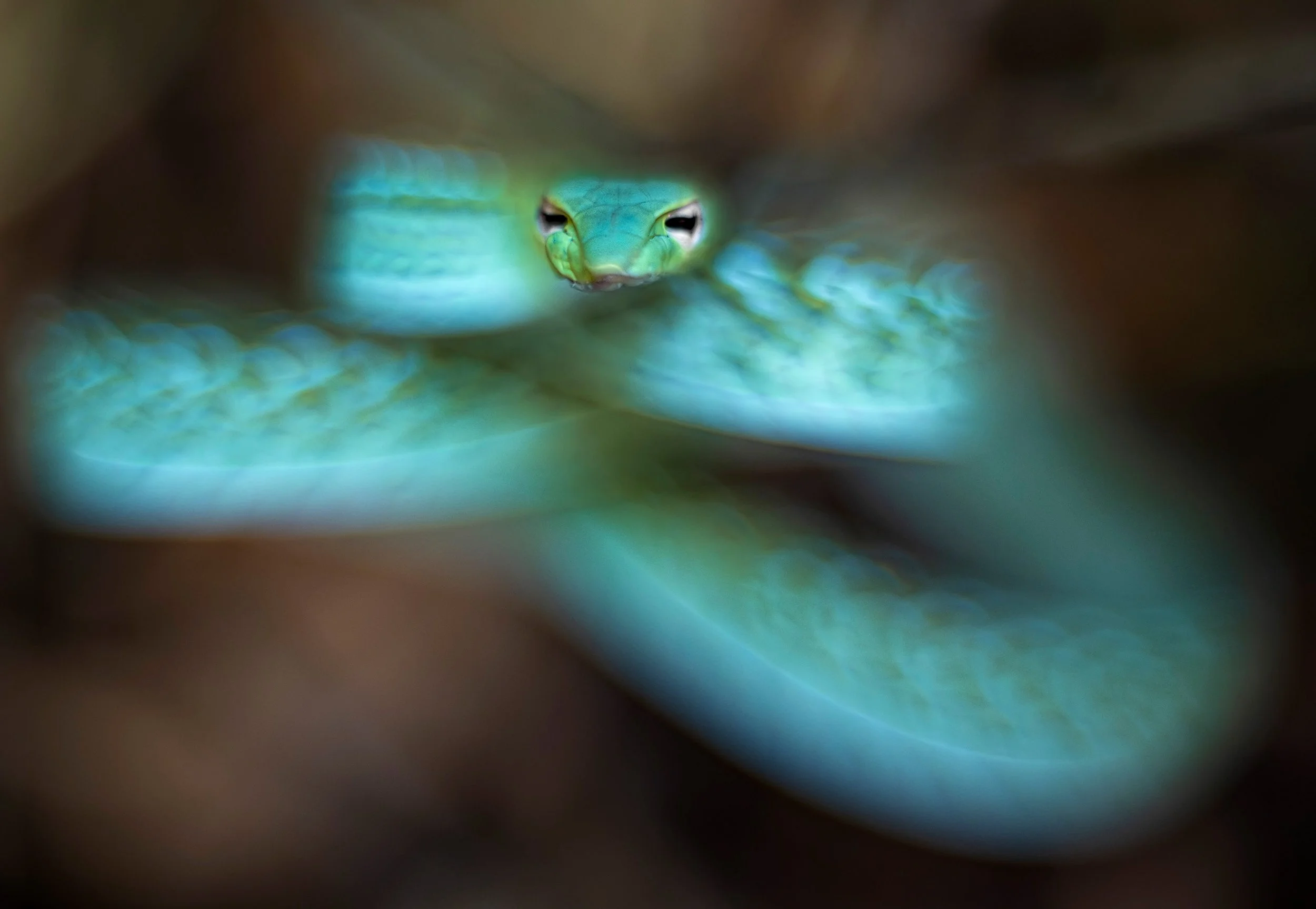
Oriental vine snake (Ahaetulla prasina), Kaeng Krachan National Park, Thailand. Vintage lens.
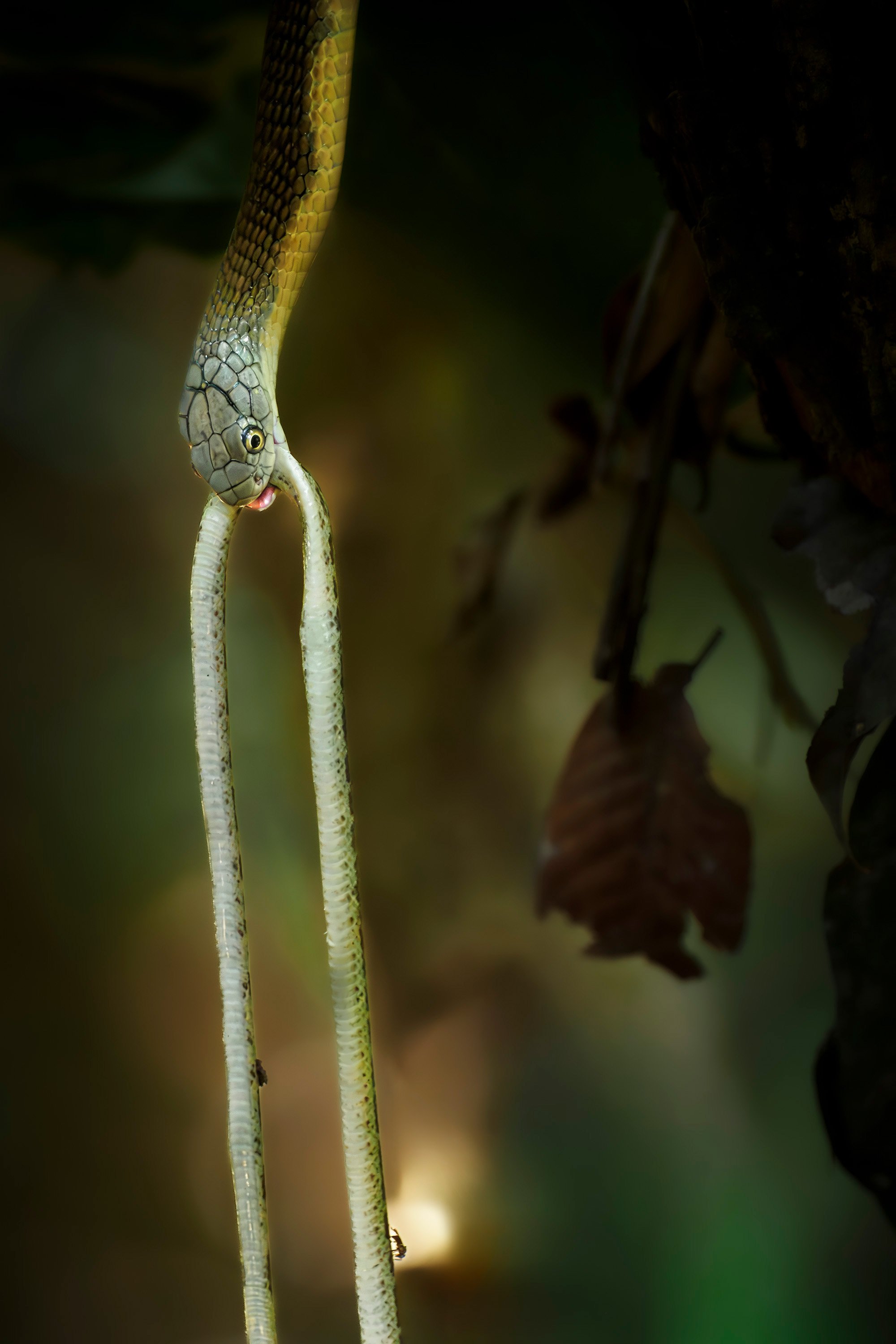
King cobra (Ophiophagus hannah), a young snake with its prey: Malayan Bridle Snake (Lycodon subannulatus). Kaeng Krachan National Park, Thailand.
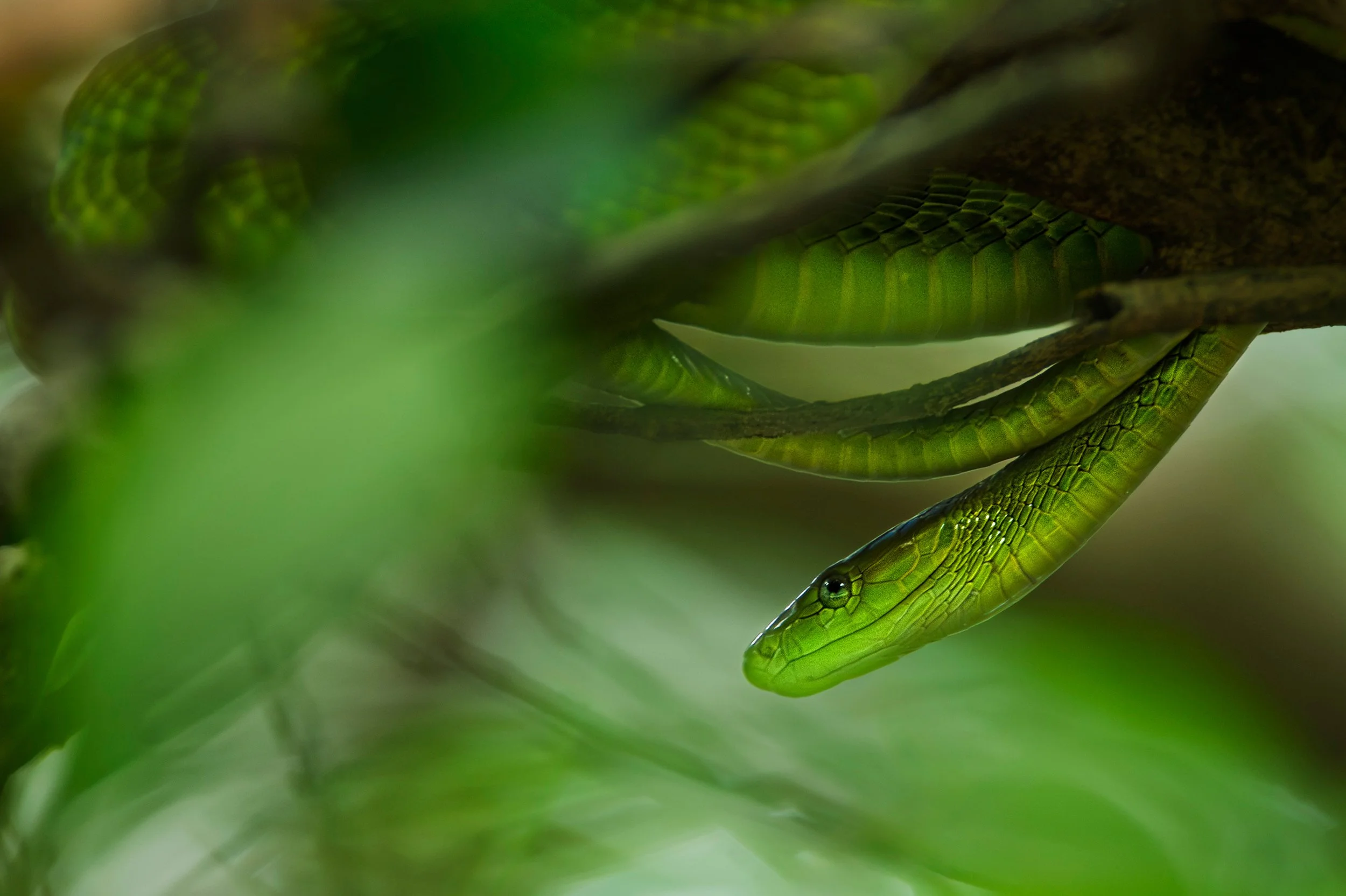
Eastern green mamba (Dendroaspis angusticeps). Zanzibar, Tanzania.
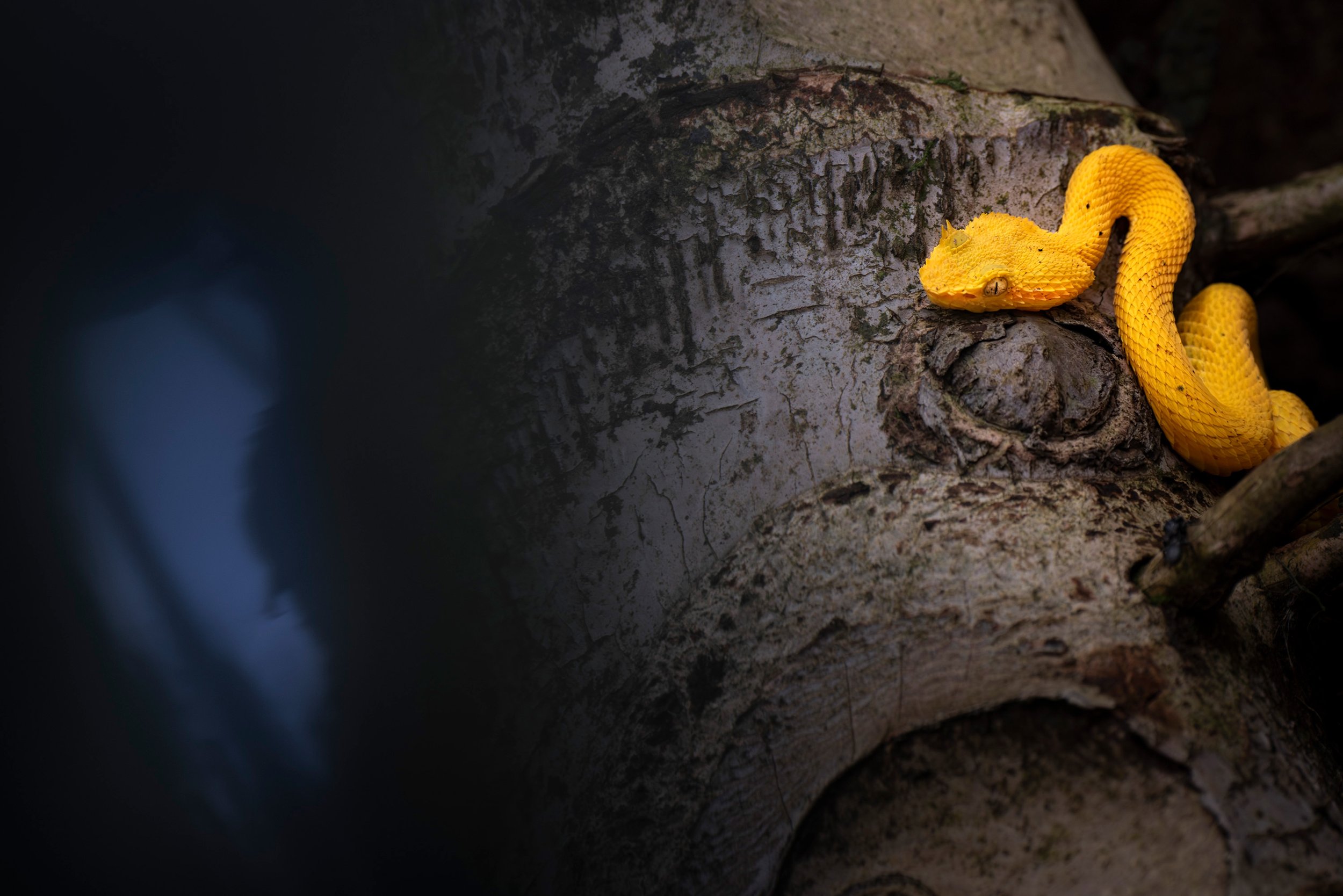
Eyelash pit viper (Bothriechis schlegelii) yellow morph, Parque Nacional Arenal, Costa Rica.
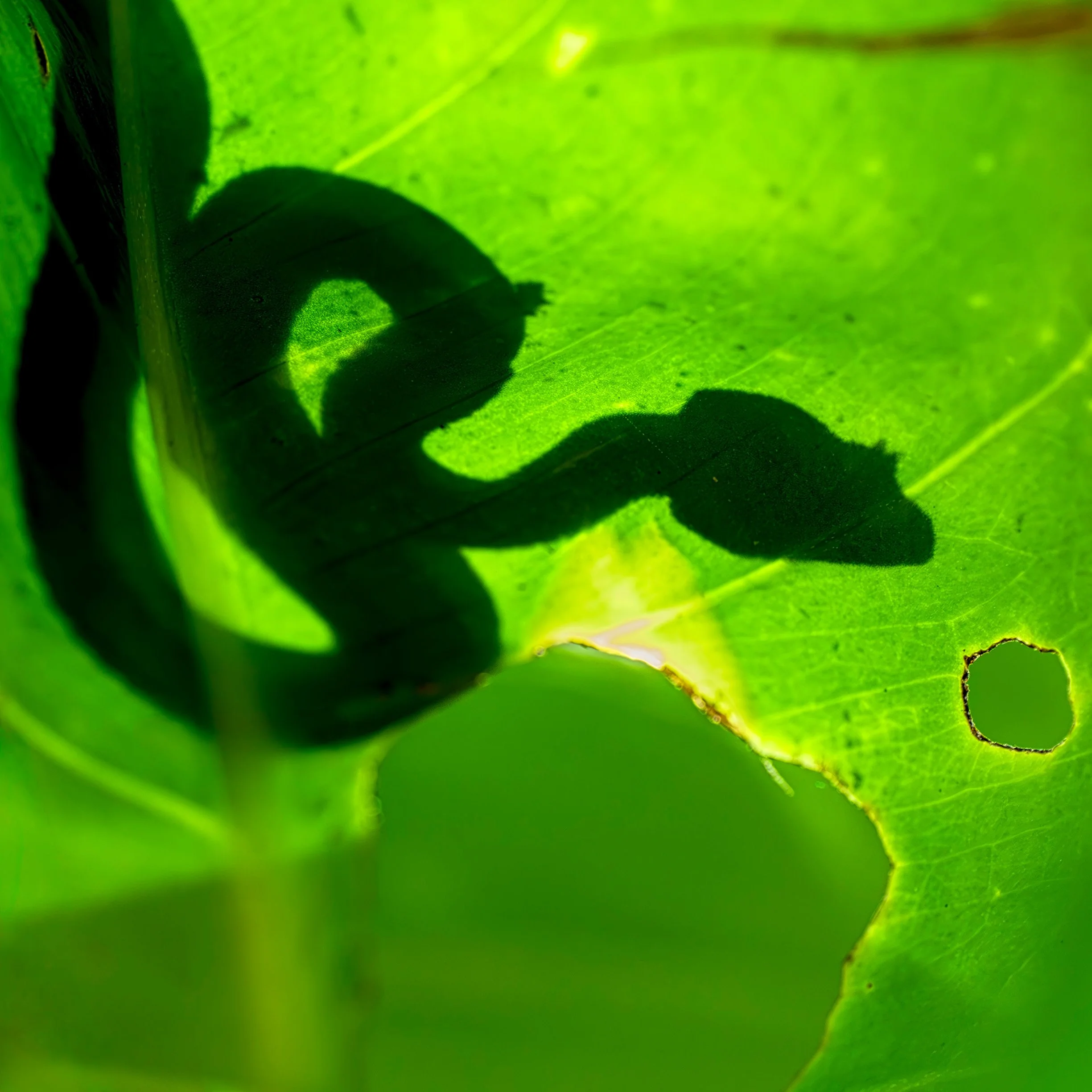
Eyelash pit viper (Bothriechis schlegelii), Parque Nacional Cahuita, Costa Rica.
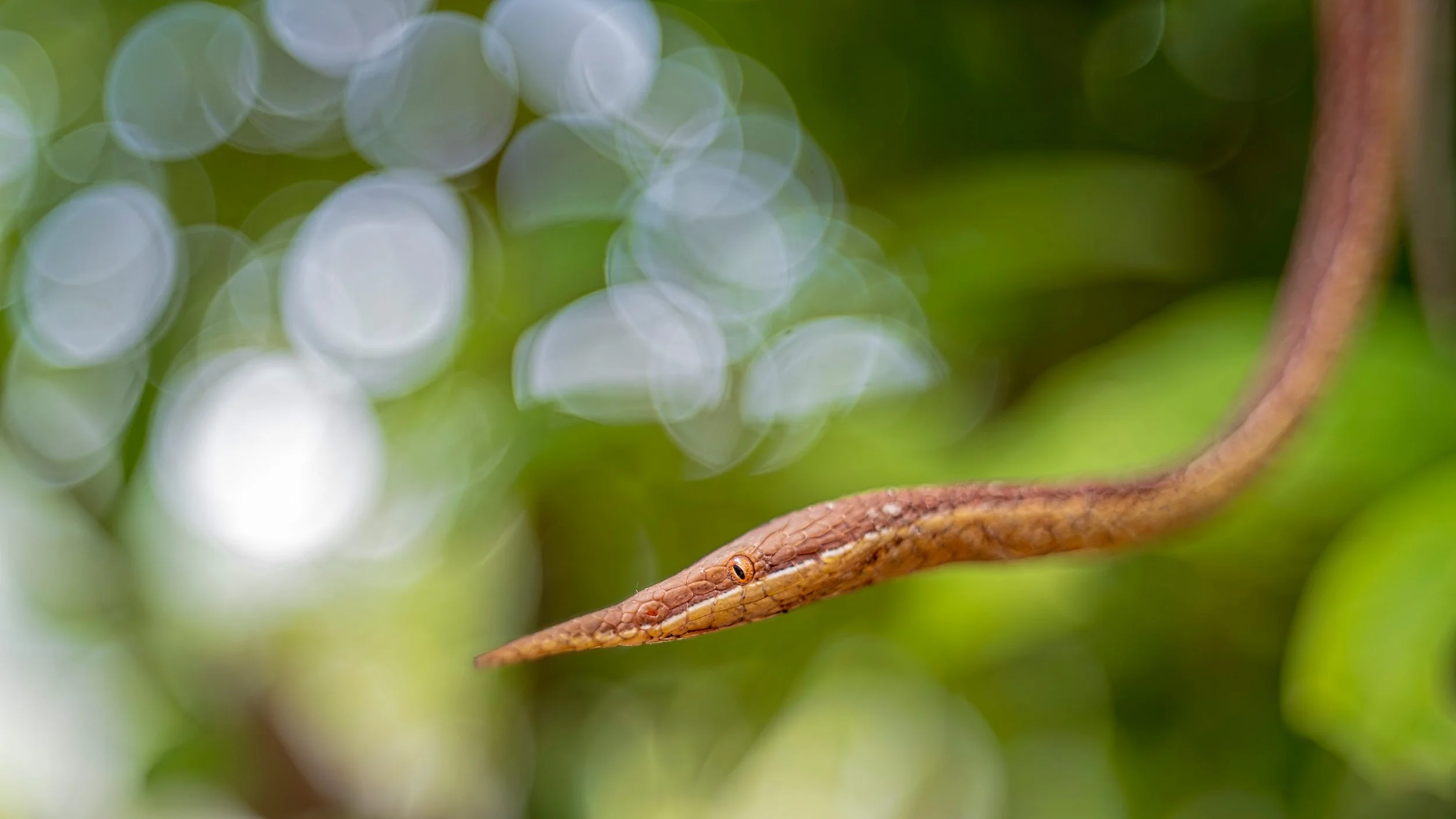
Madagascar leaf-nosed snake (Langaha madagascariensis) male, Andasibe Mantadia national park, Madagascar. Vintage lens.
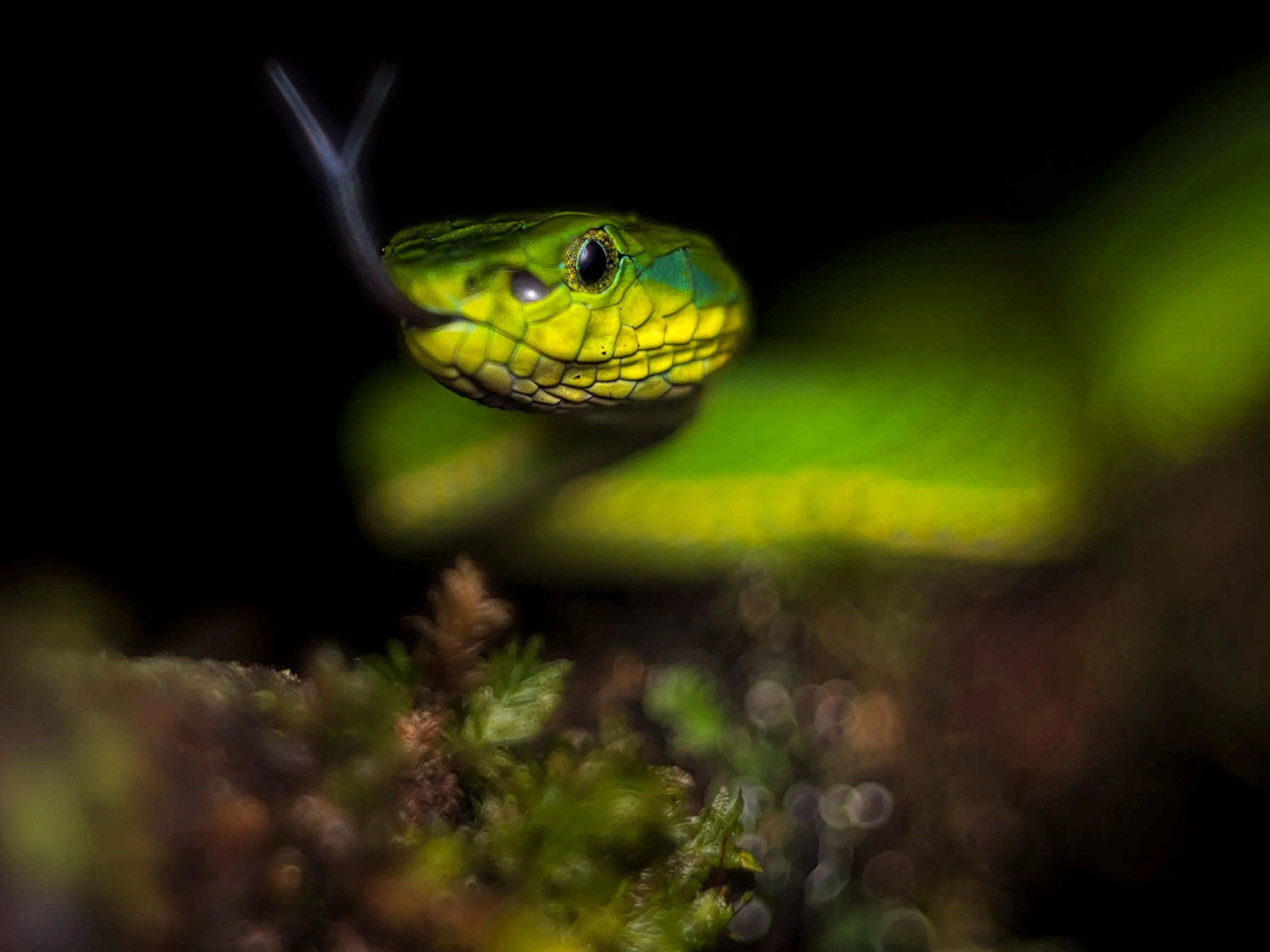
Large-scaled pit viper (Craspedocephalus macrolepis), Munnar, India. Vintage lens.
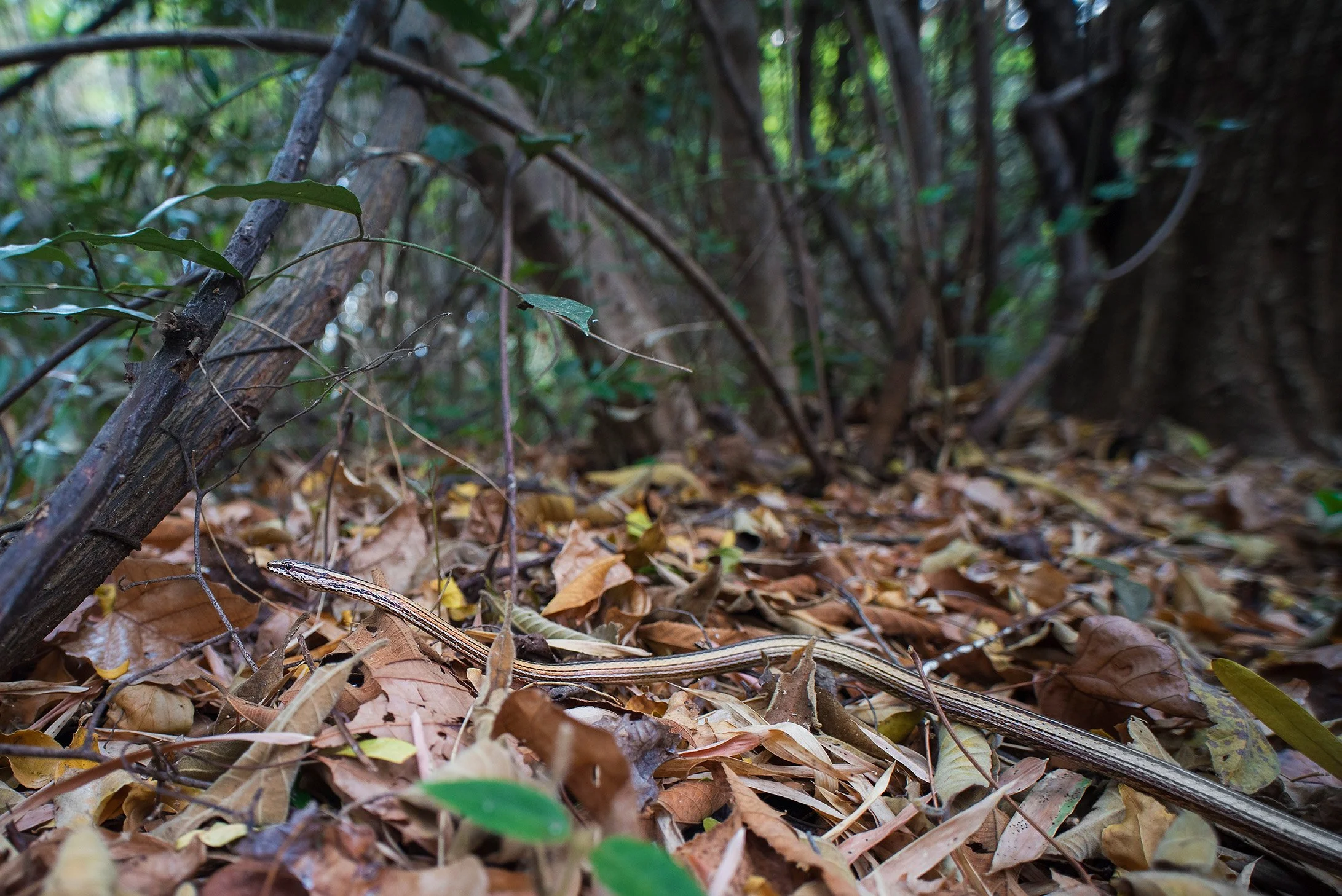
Northern pencil snake (Mimophis occultus), Réserve spéciale d’Ankarana, Madagascar
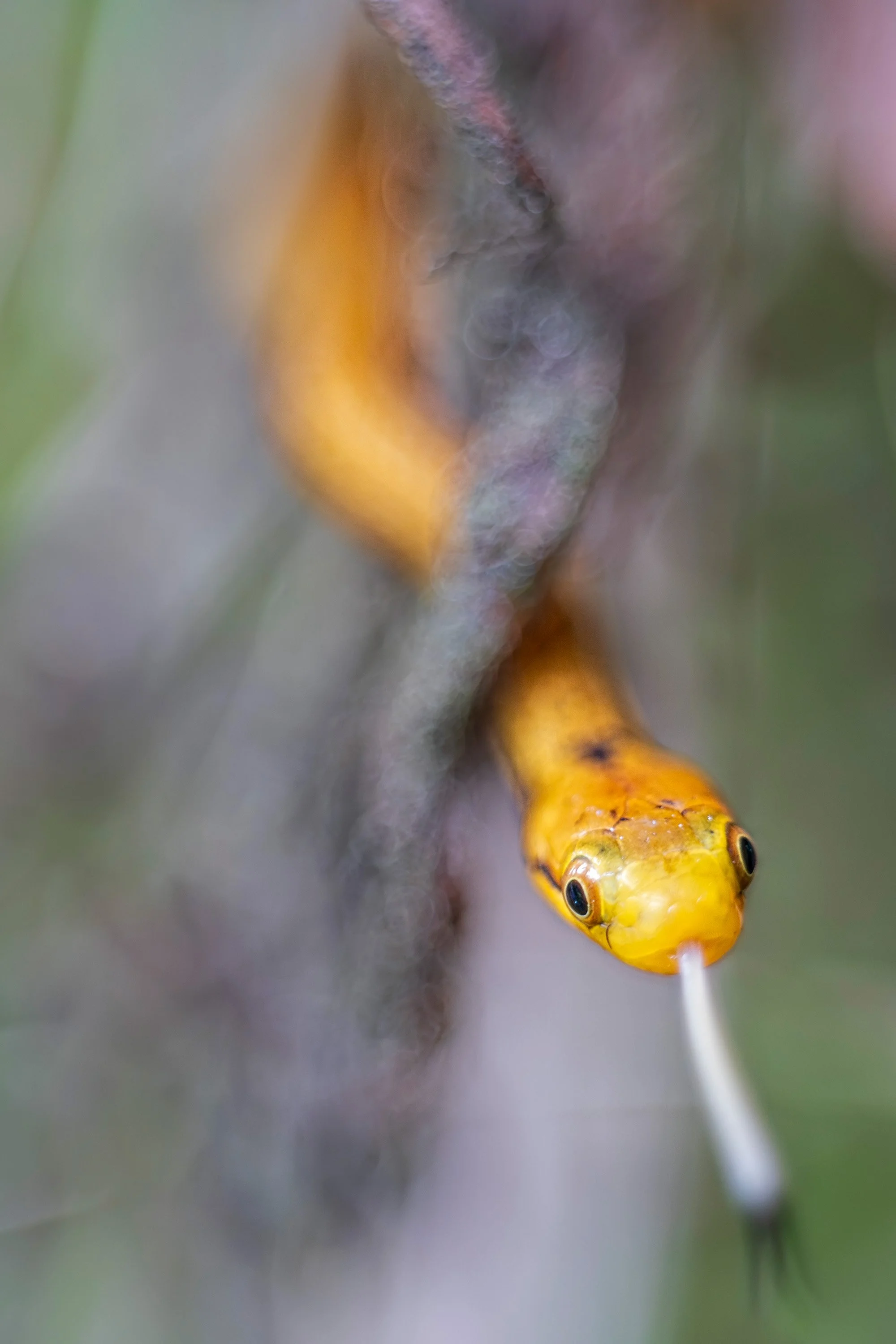
Ranomafana big-headed Snake (Compsophis laphystius), young specimen, Ranomafana National Park, Madagascar. Vintage lens.
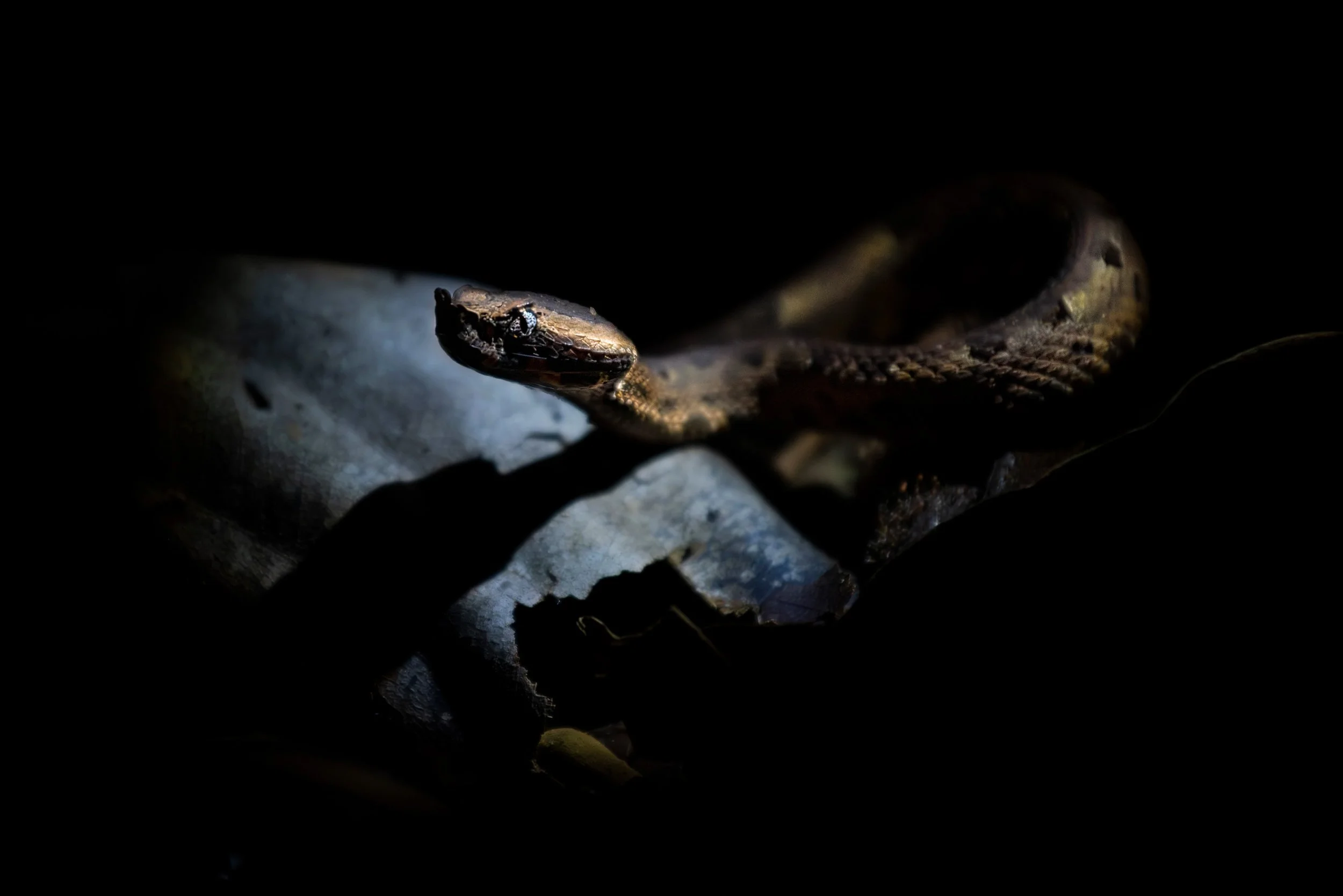
Rainforest hognosed pit viper (Porthidium nasutum), Braulio Carrillo National Park, Costa Rica.
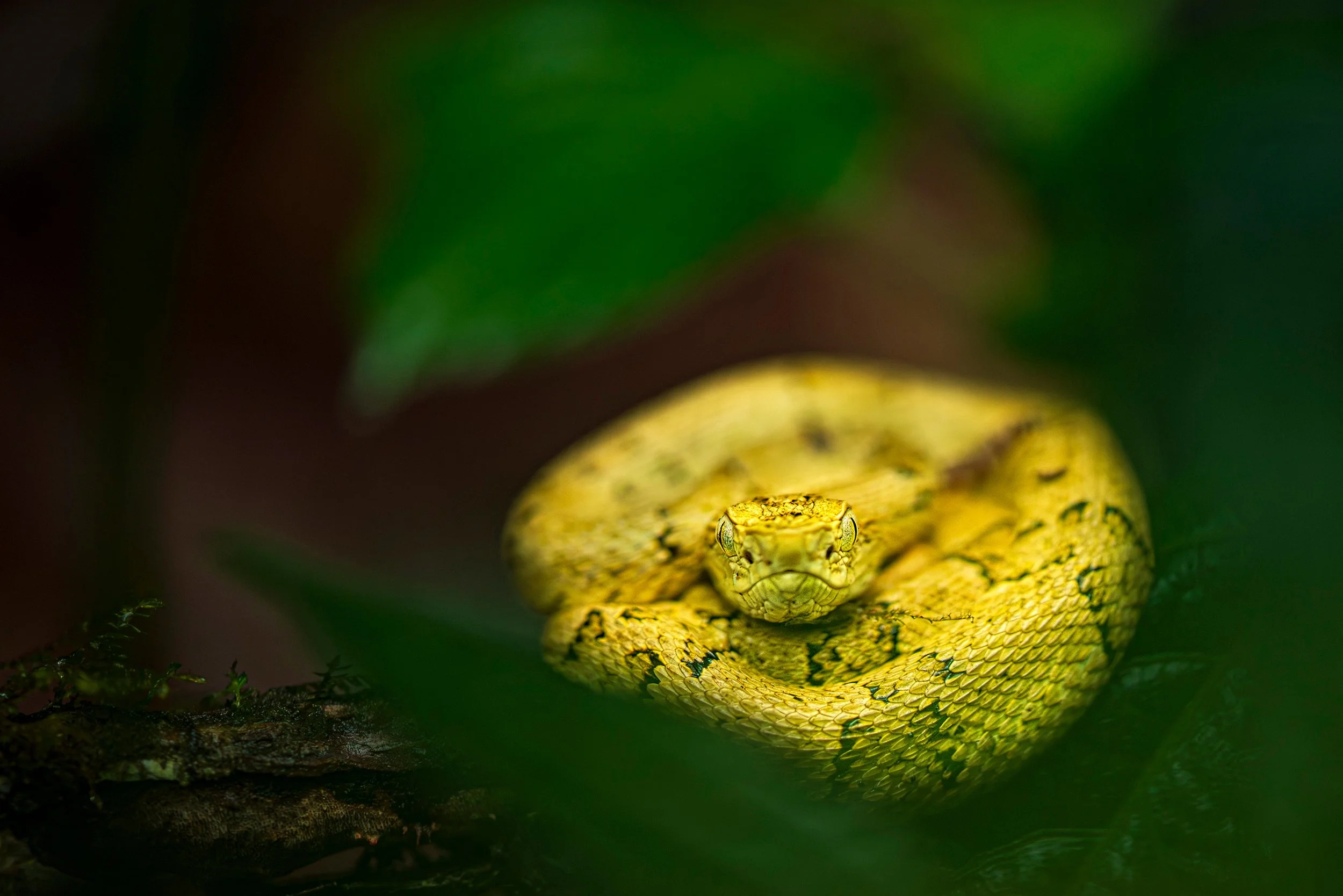
Osborne's lancehead (Bothrops osbornei), Maspi, Ecuador.
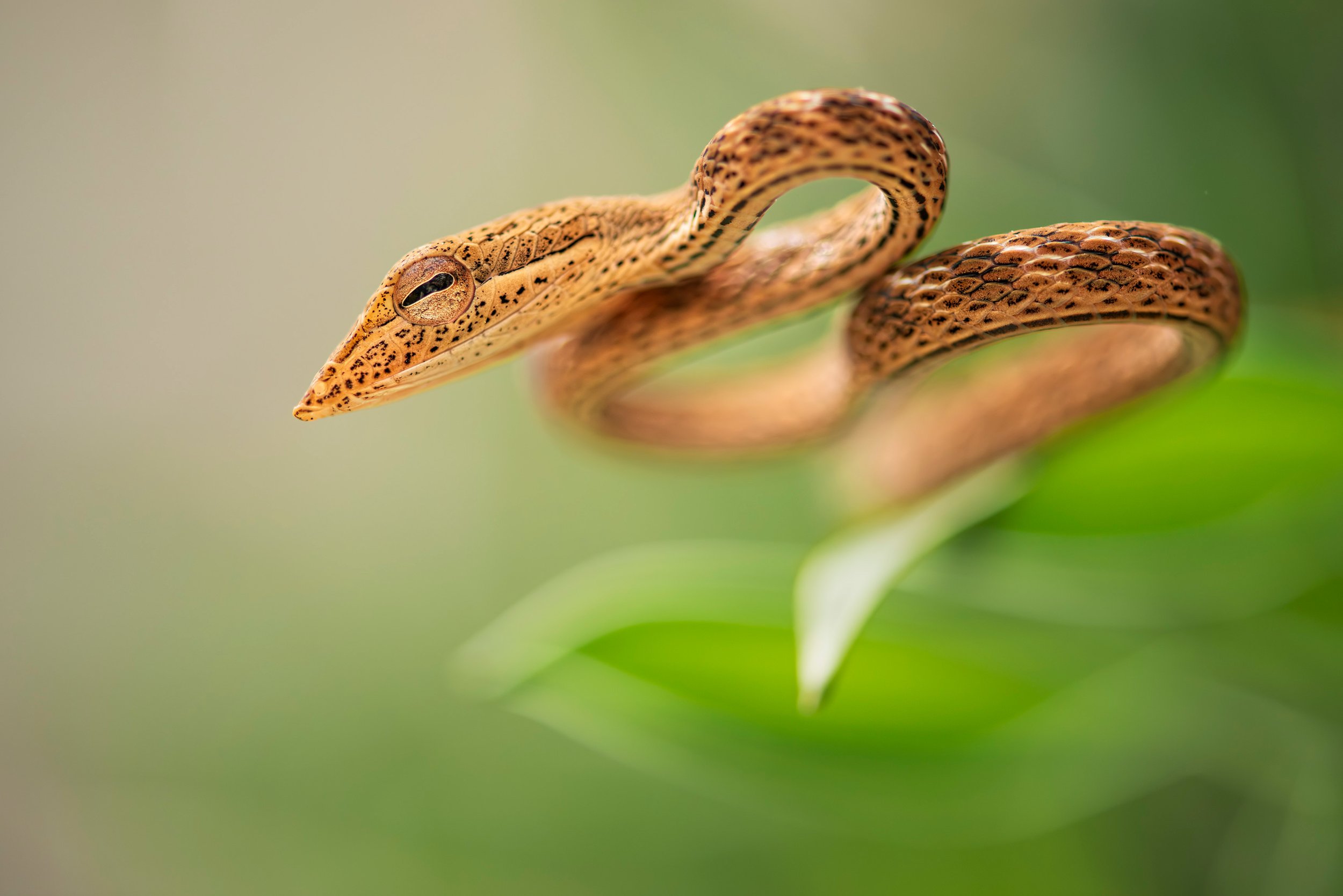
Oriental vine snake (Ahaetulla prasina), Cameron Highlands, Malaysia
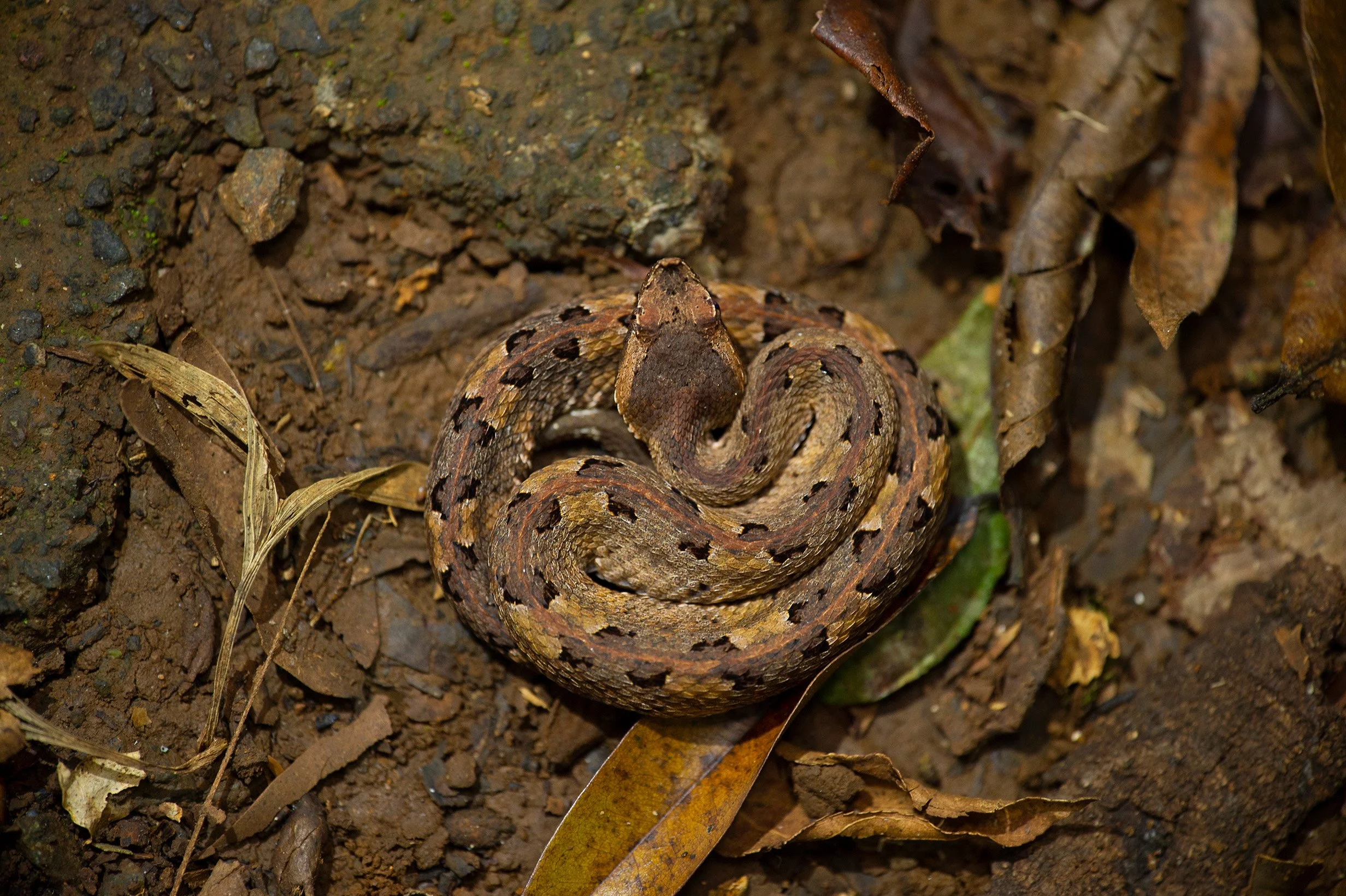
Rainforest hognosed pit viper (Porthidium nasutum), Braulio Carrillo National Park, Costa Rica.
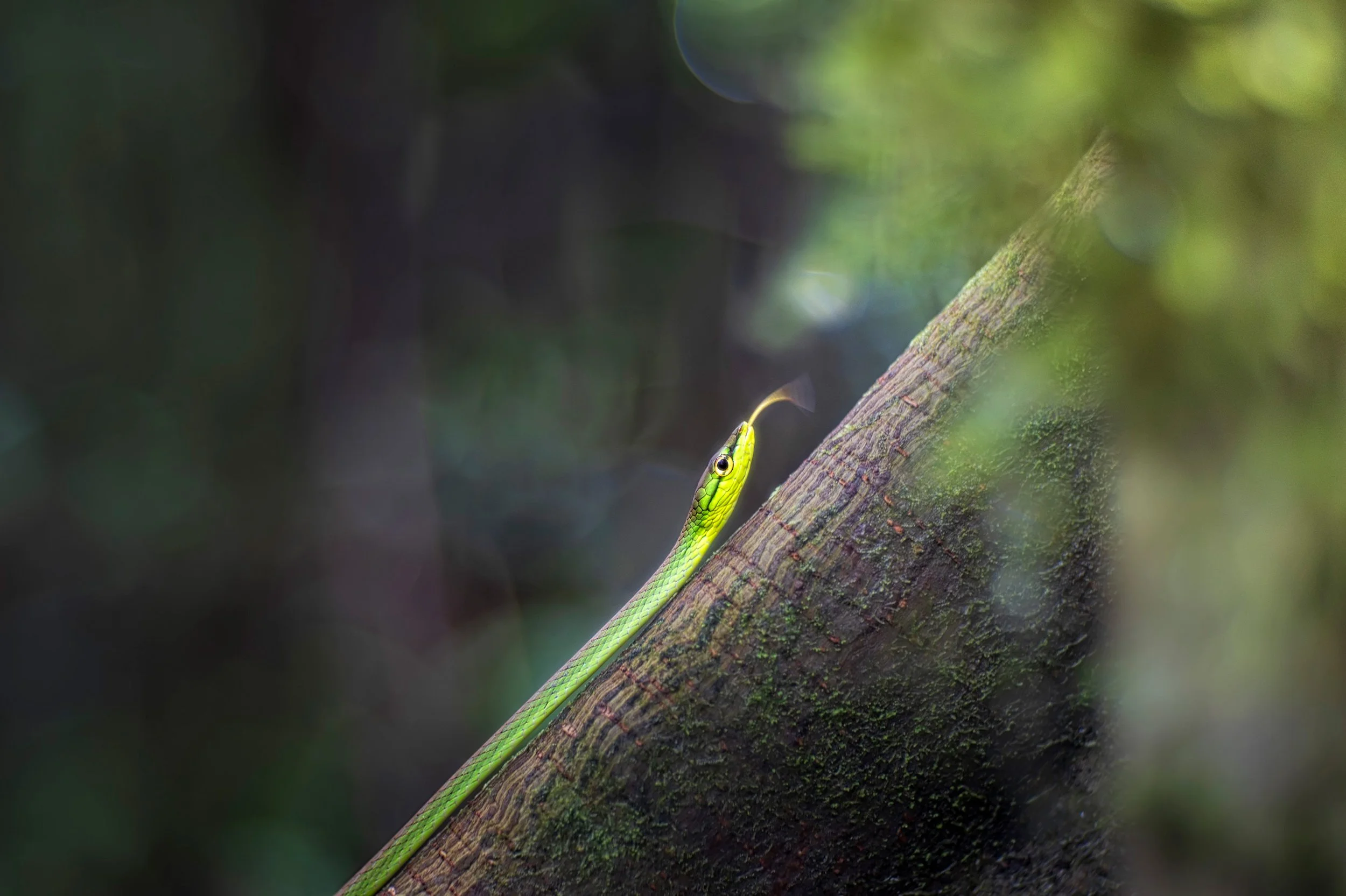
Western Parrot-snake (Leptophis occidentalis), Volcan Tenorio, Costa Rica. Vintage lens.
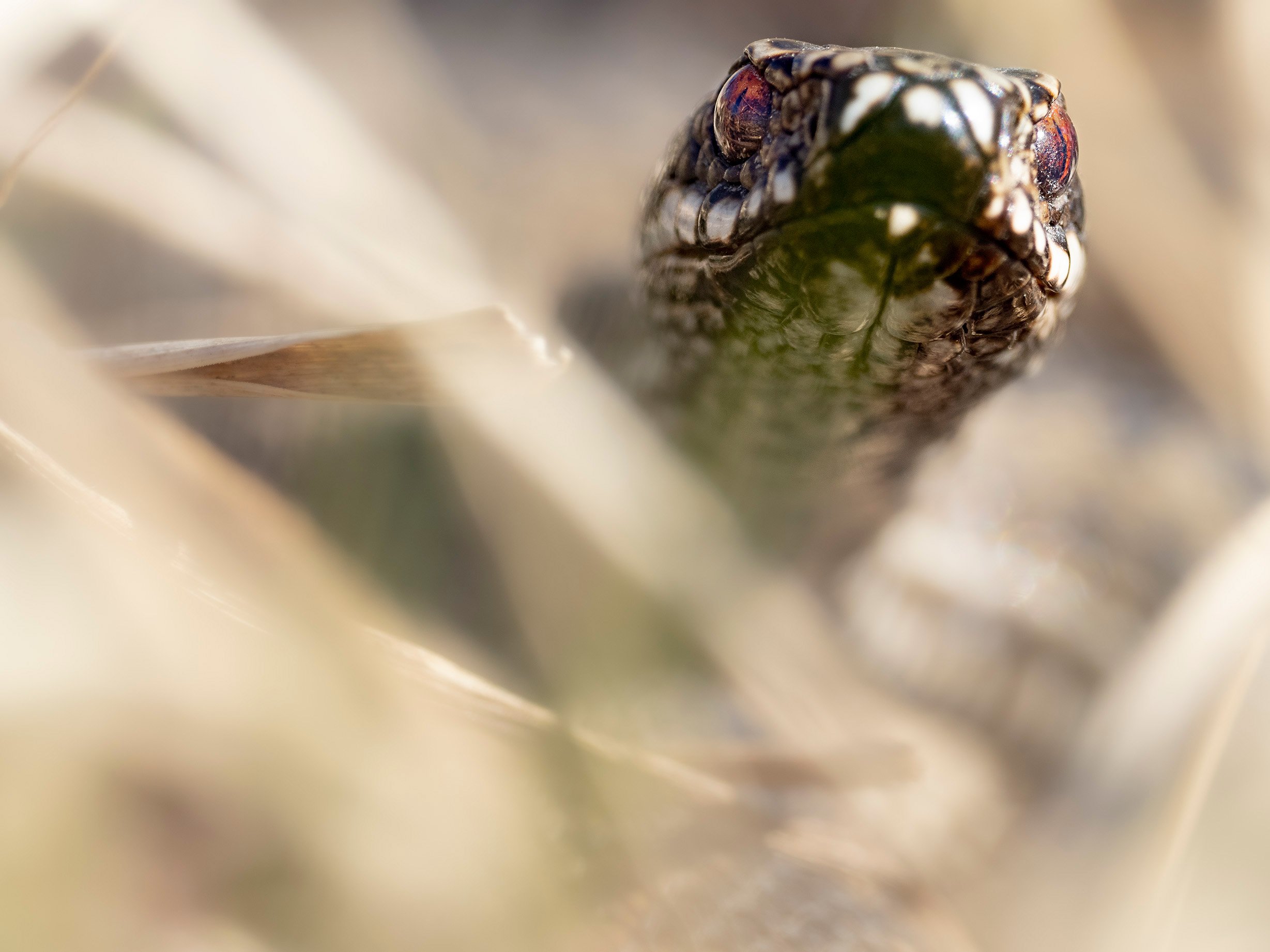
European adder (Vipera berus) female, Strömsholm, Sweden.
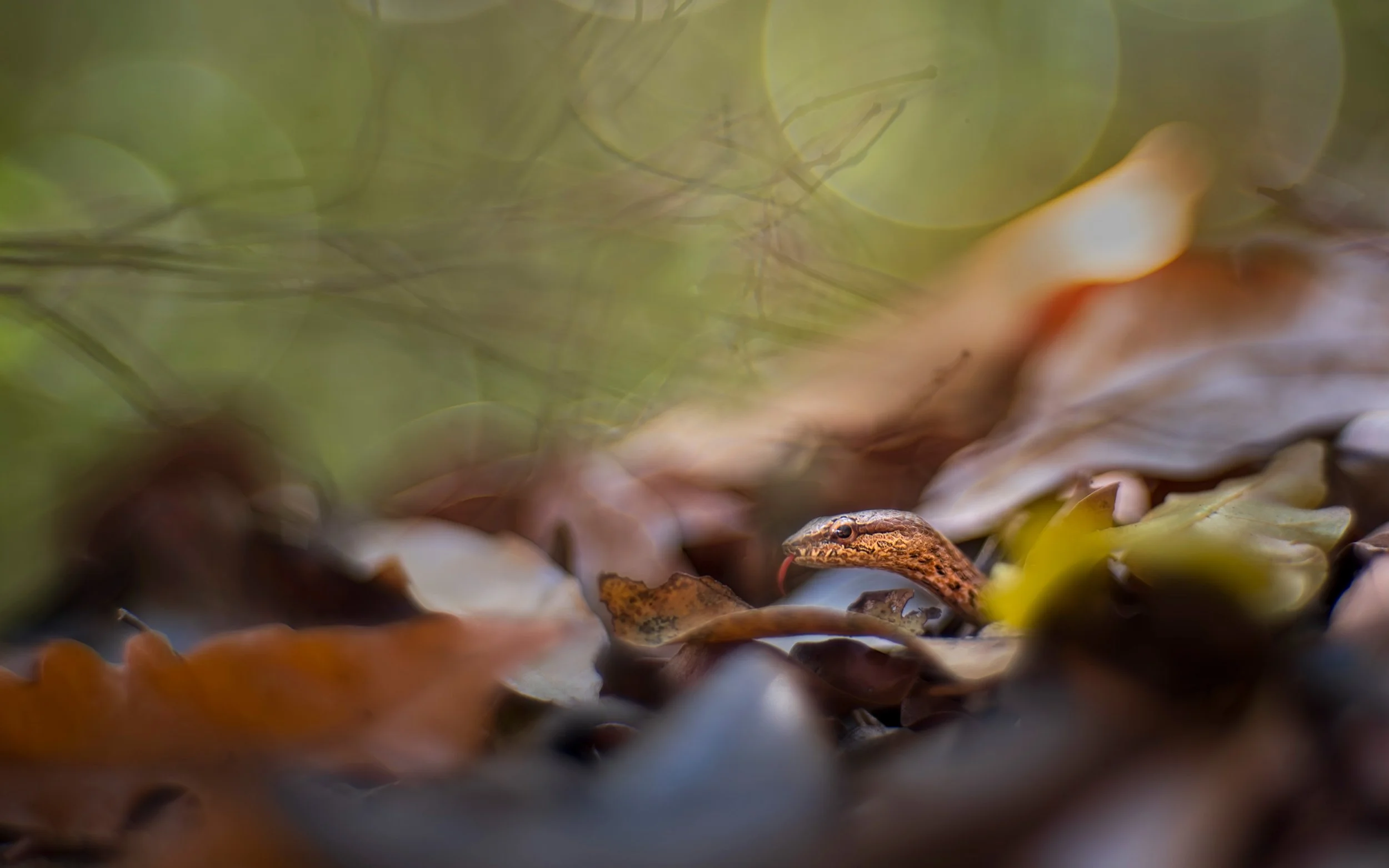
Tiny night snake (Ithycyphus miniatus), Ankarafantsika National Park, Madagascar. Vintage lens.
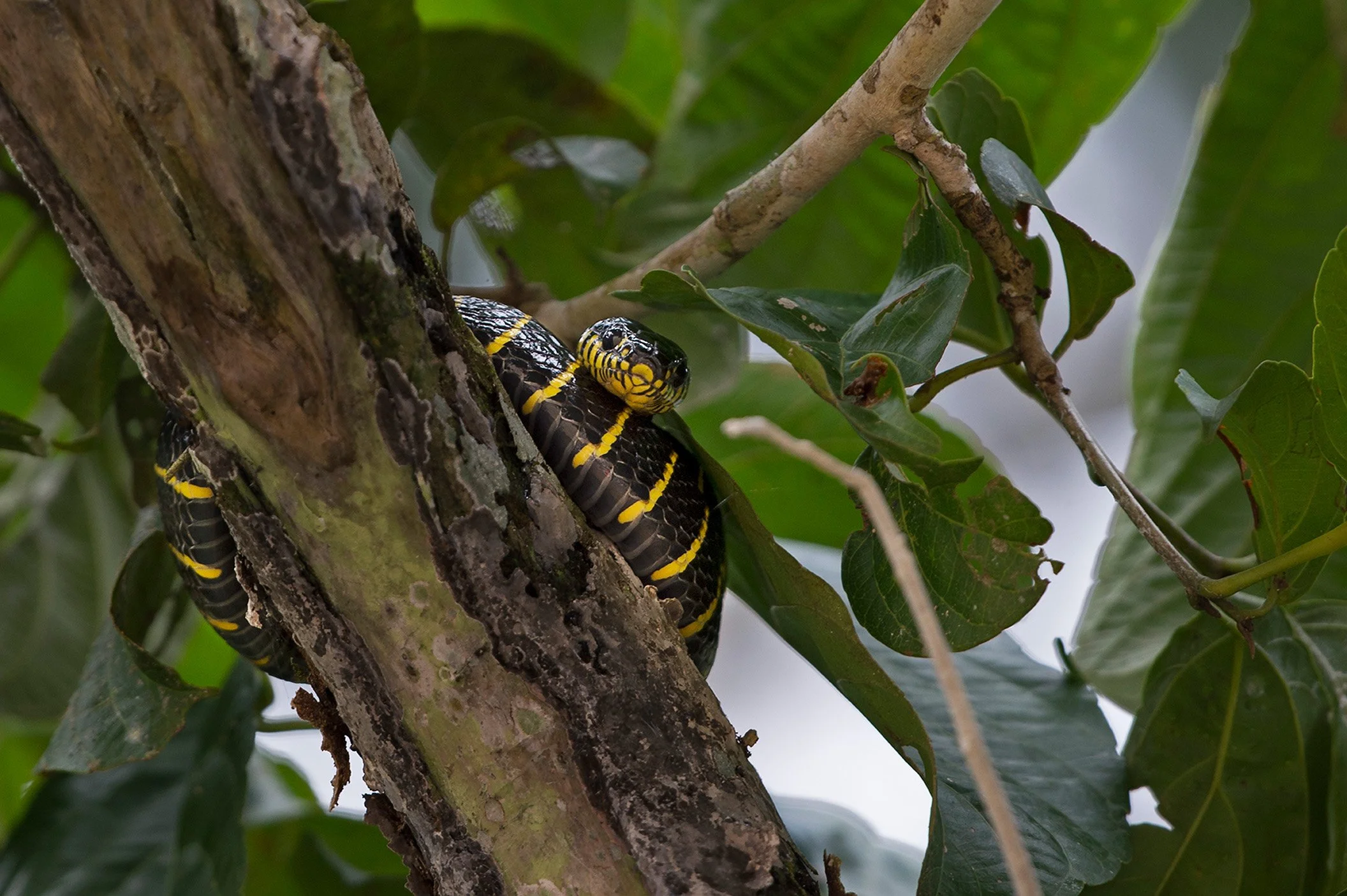
Gold-ringed cat snake (Boiga dendrophila), Kinnabatang, Borneo.
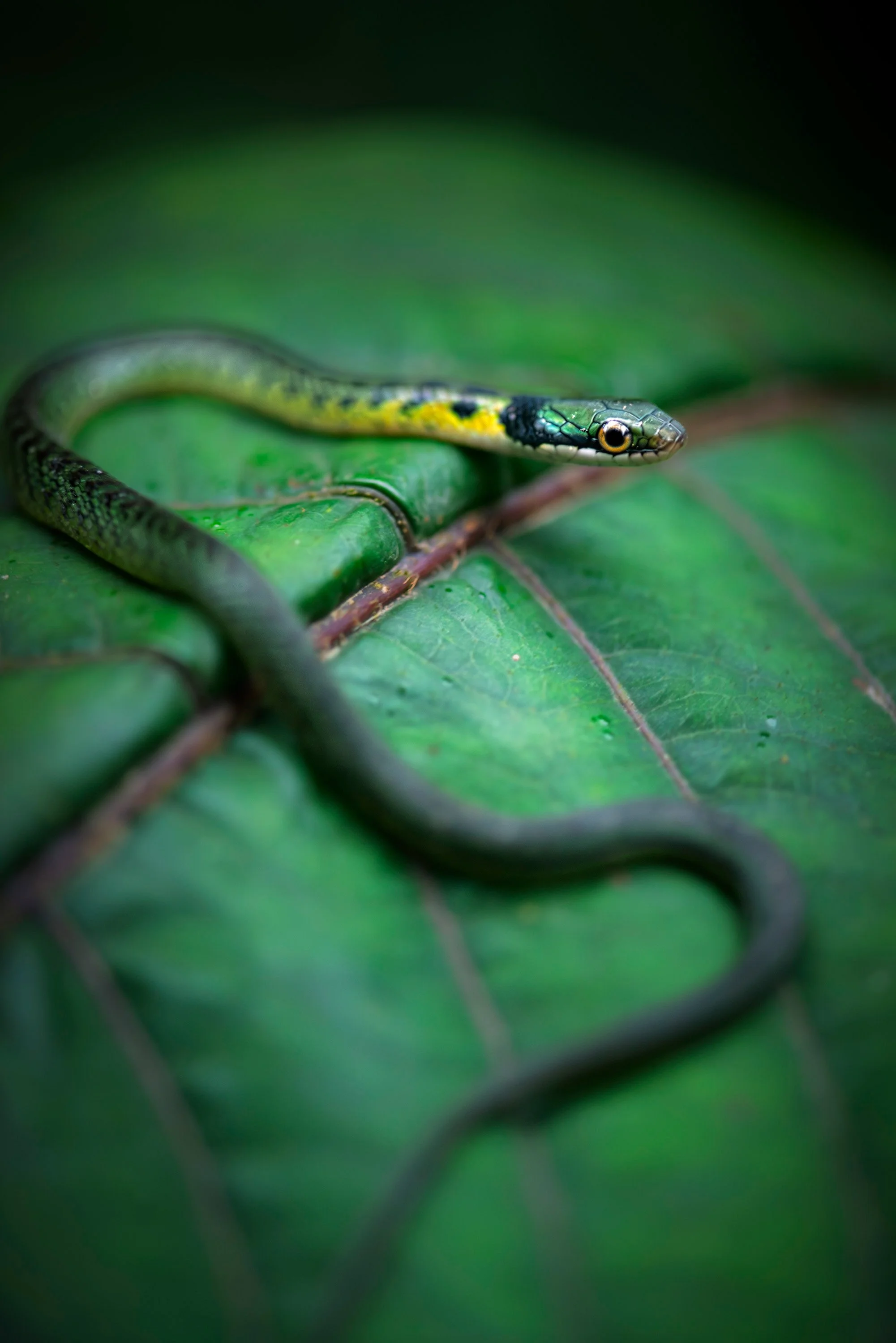
Rainbow forest-racer (Dendrophidion clarkii) - probably? Young specimen. Maspi, Ecuador.
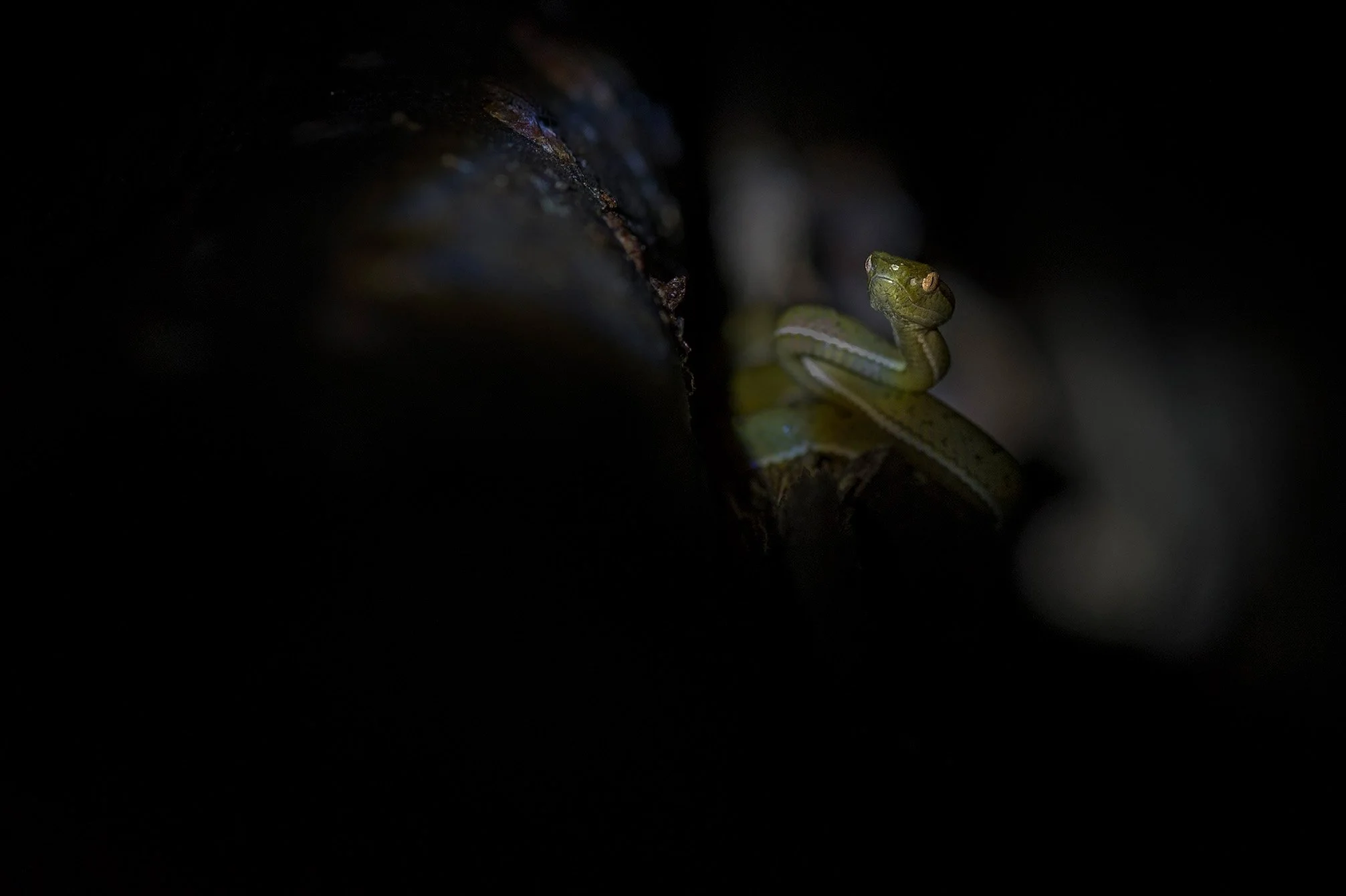
Side-striped palm pit viper (Bothriechis lateralis), Monteverde, Costa Rica.
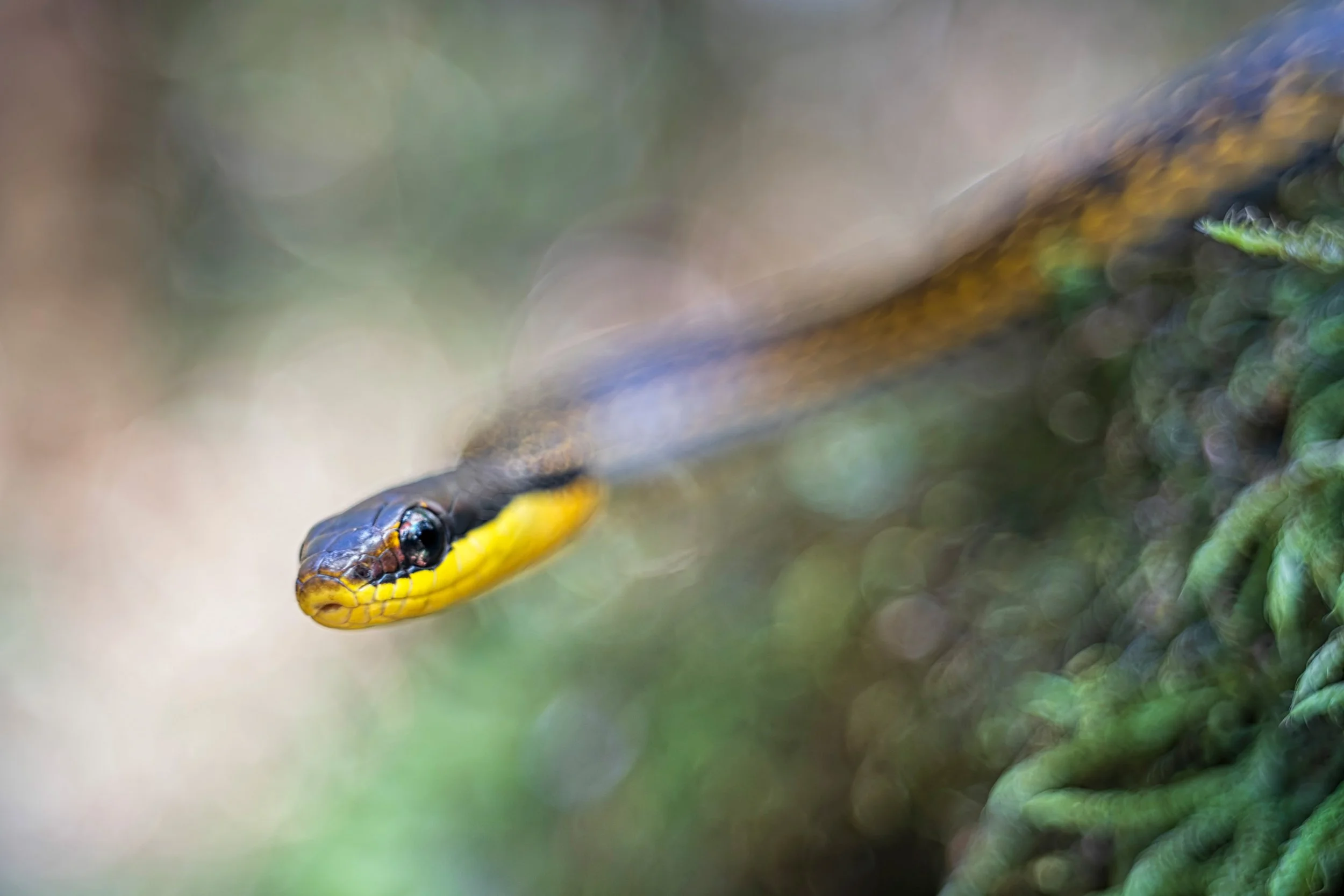
Eastern Madagascar water snake (Thamnosophis epistibes), Ranomafana National Park, Madagascar. Vintage lens.
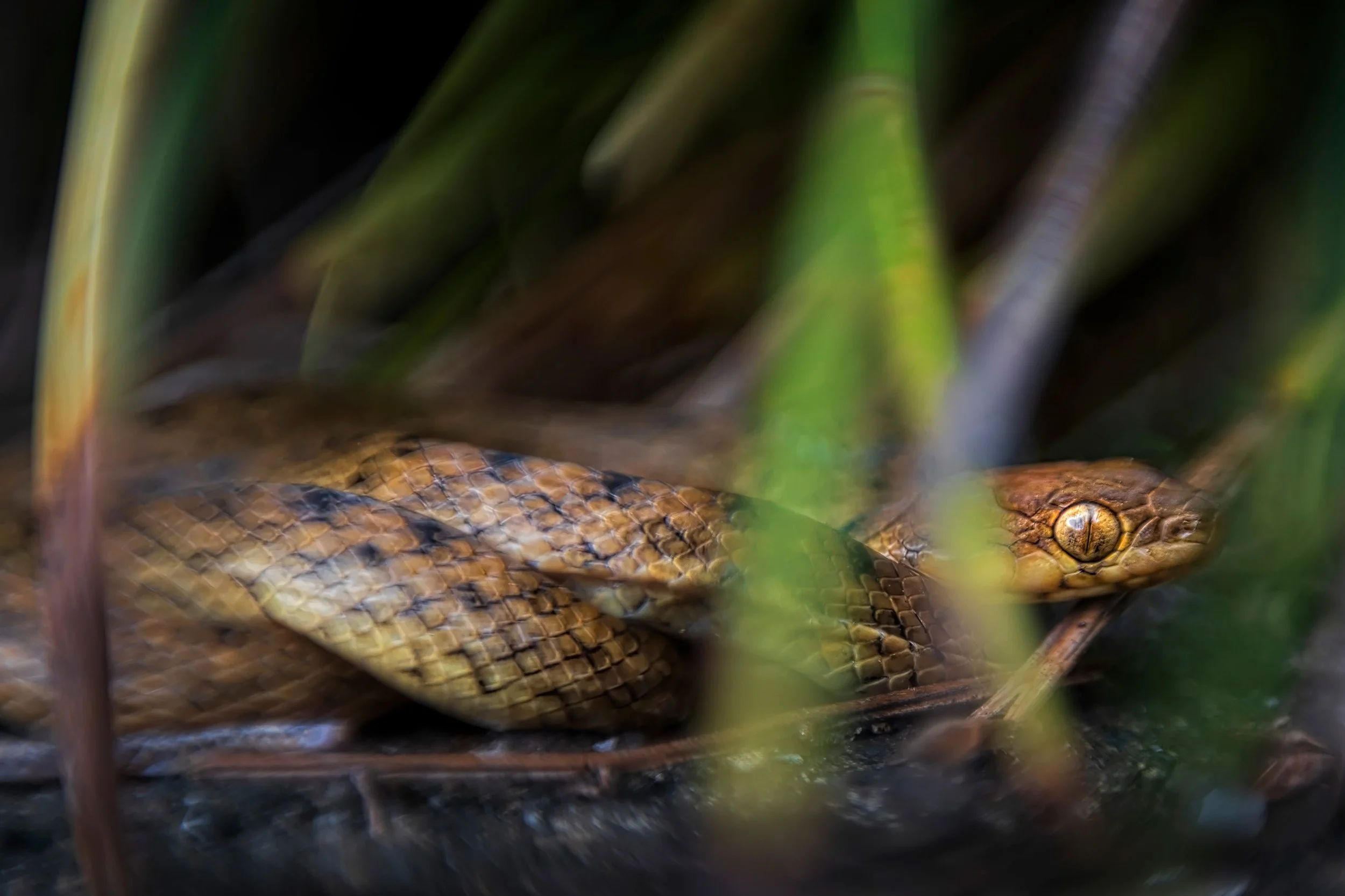
Madagascar cat-eyed snake (Madagascarophis colubrinus), Ranomafana National Park, Madagascar. Vintage lens.
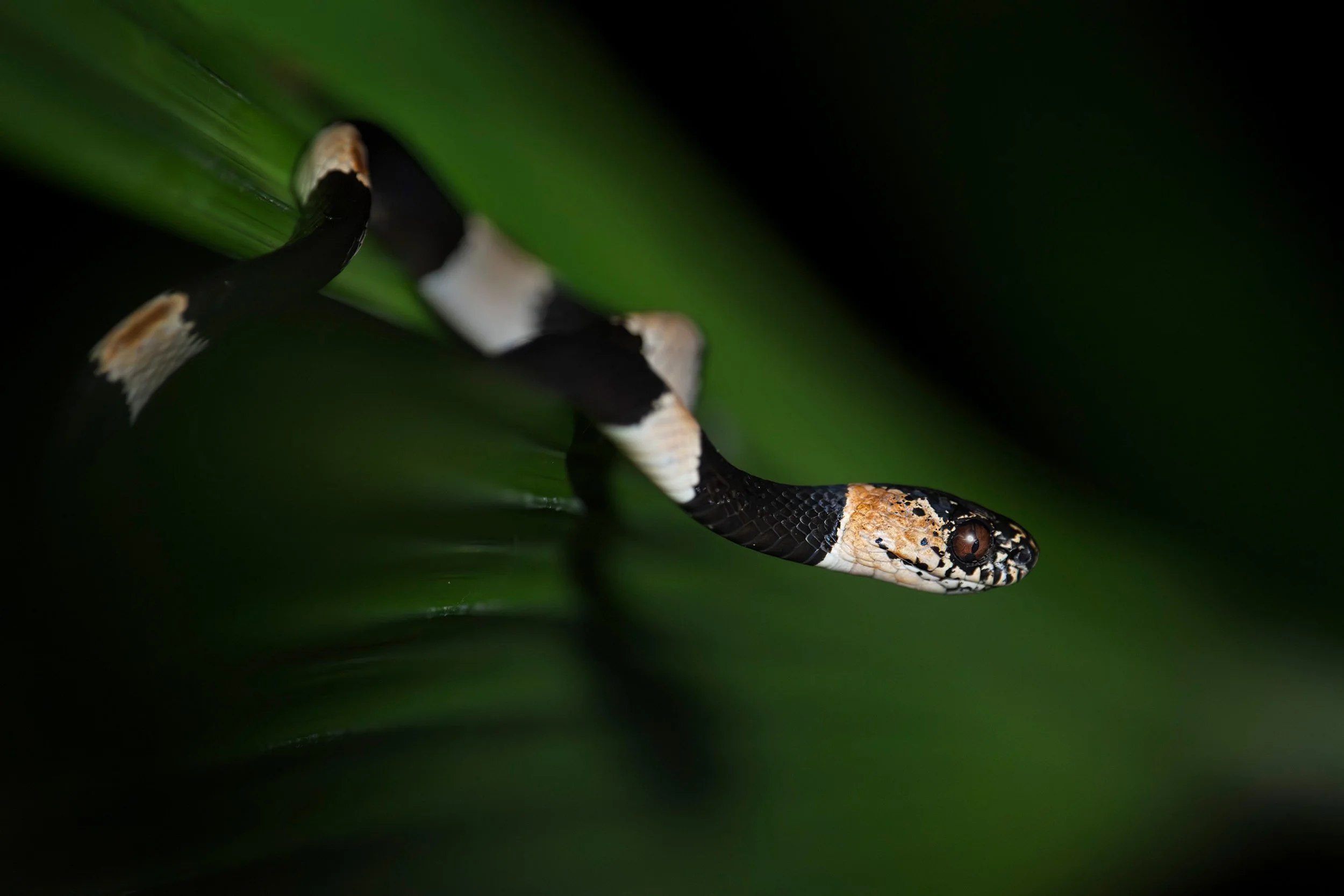
American snail-eater (Dipsas articulata), Cahuita Național Park, Costa Rica.
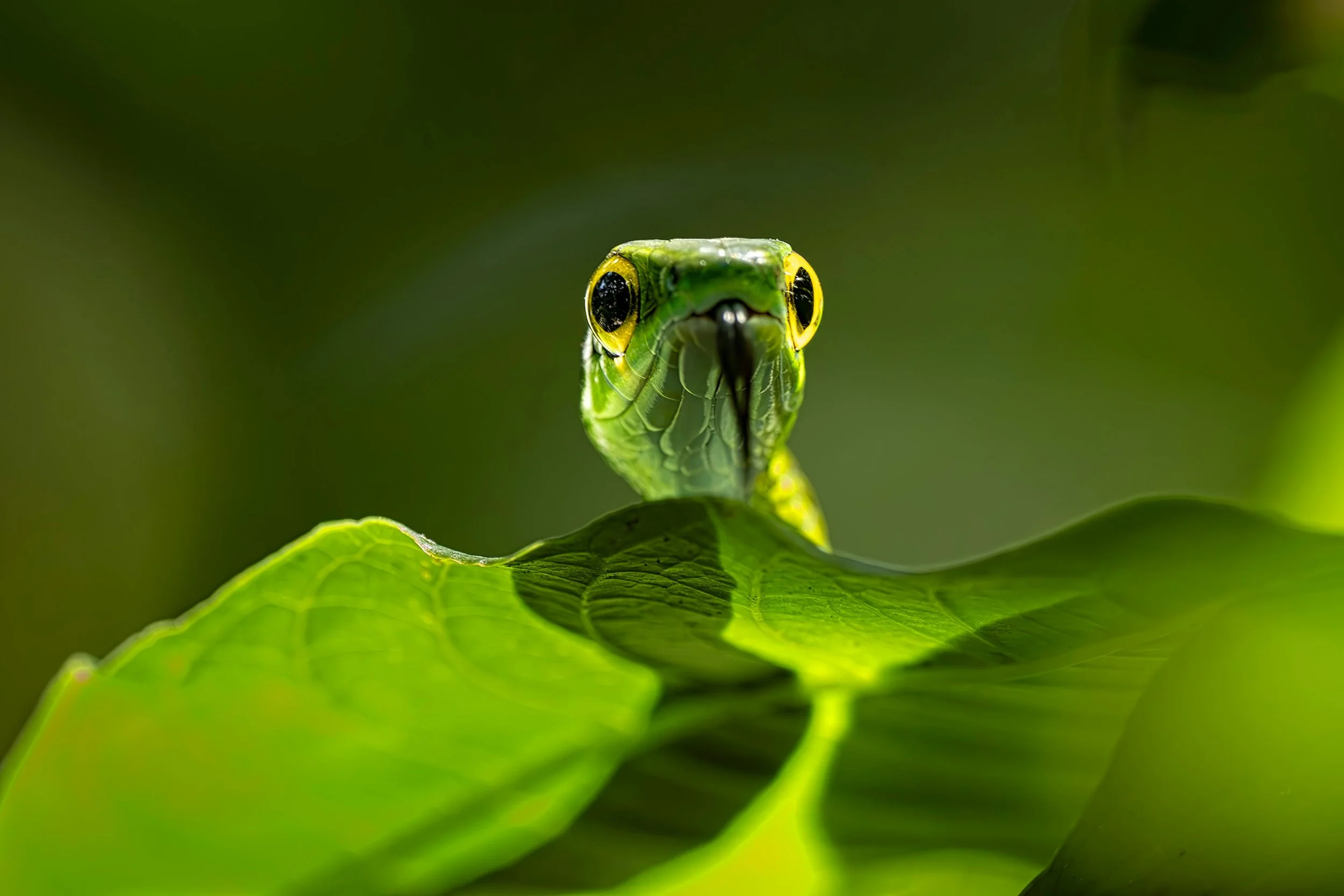
Cope's parrot snake (Leptophis depressirostris), Guápiles, Costa Rica.
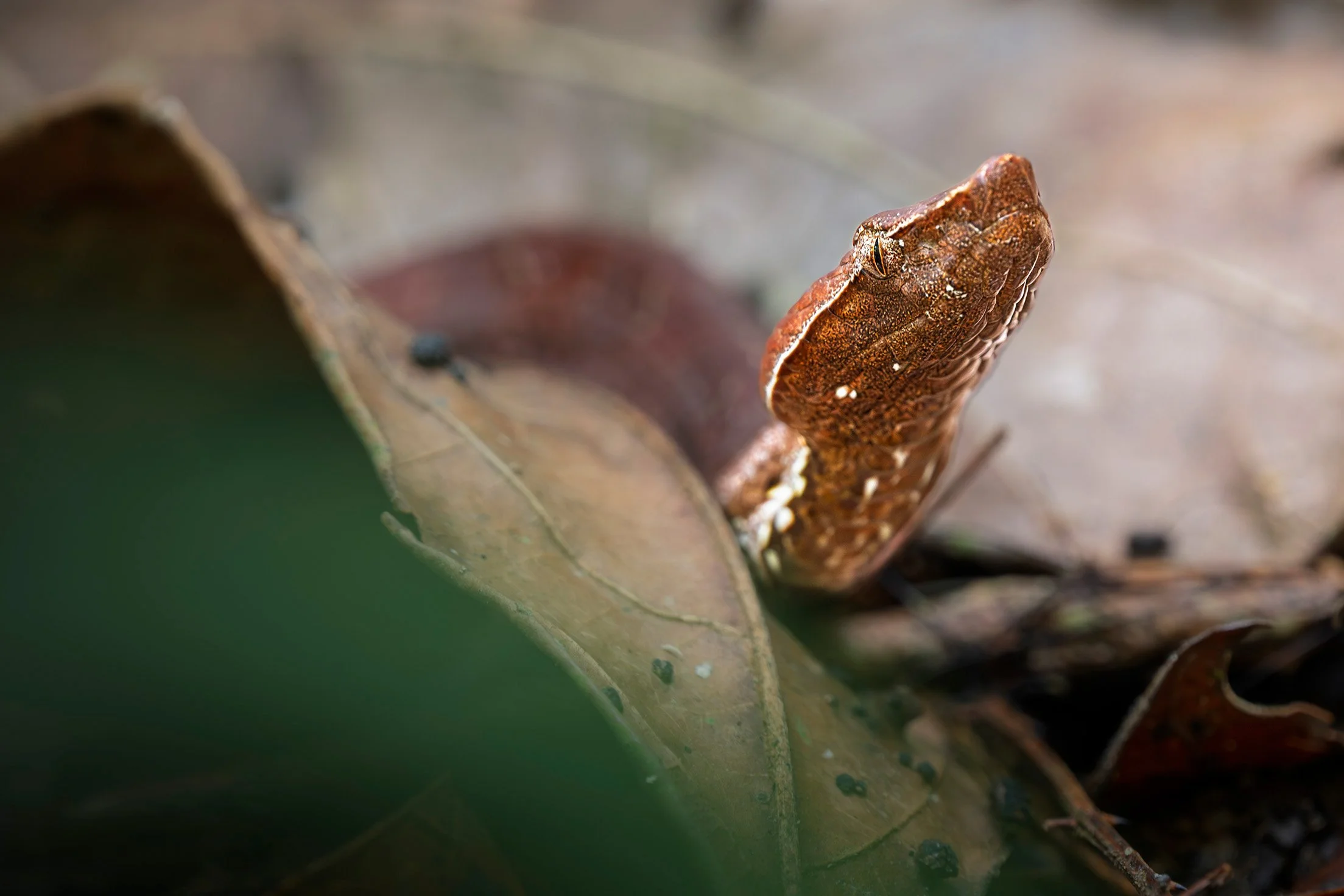
Malabar pit viper (Craspedocephalus malabaricus), Thattekad Bird Sanctuary, India.
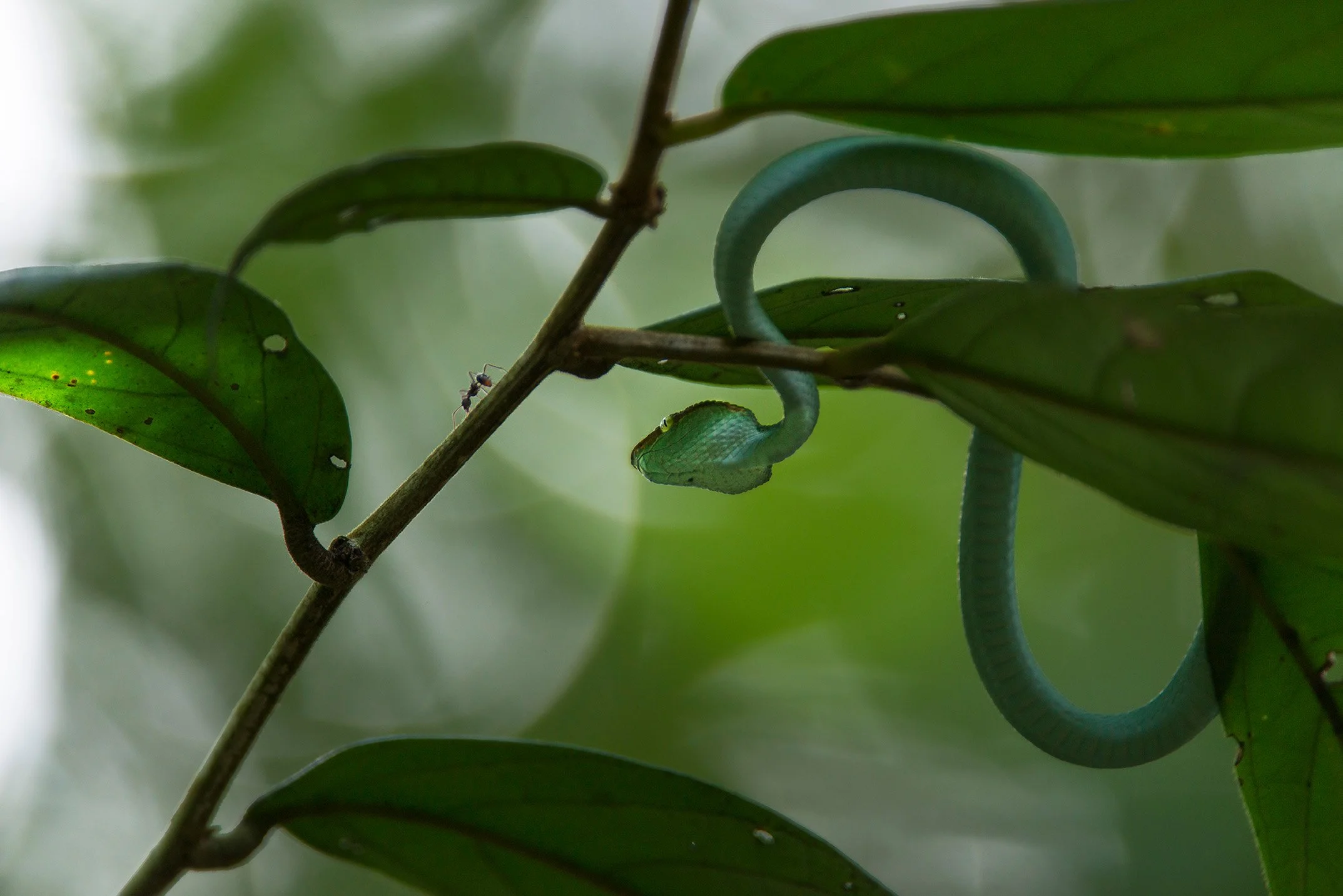
Bornean keeled green pit viper (Tropidolaemus subannulatus); Sepilok, Borneo.
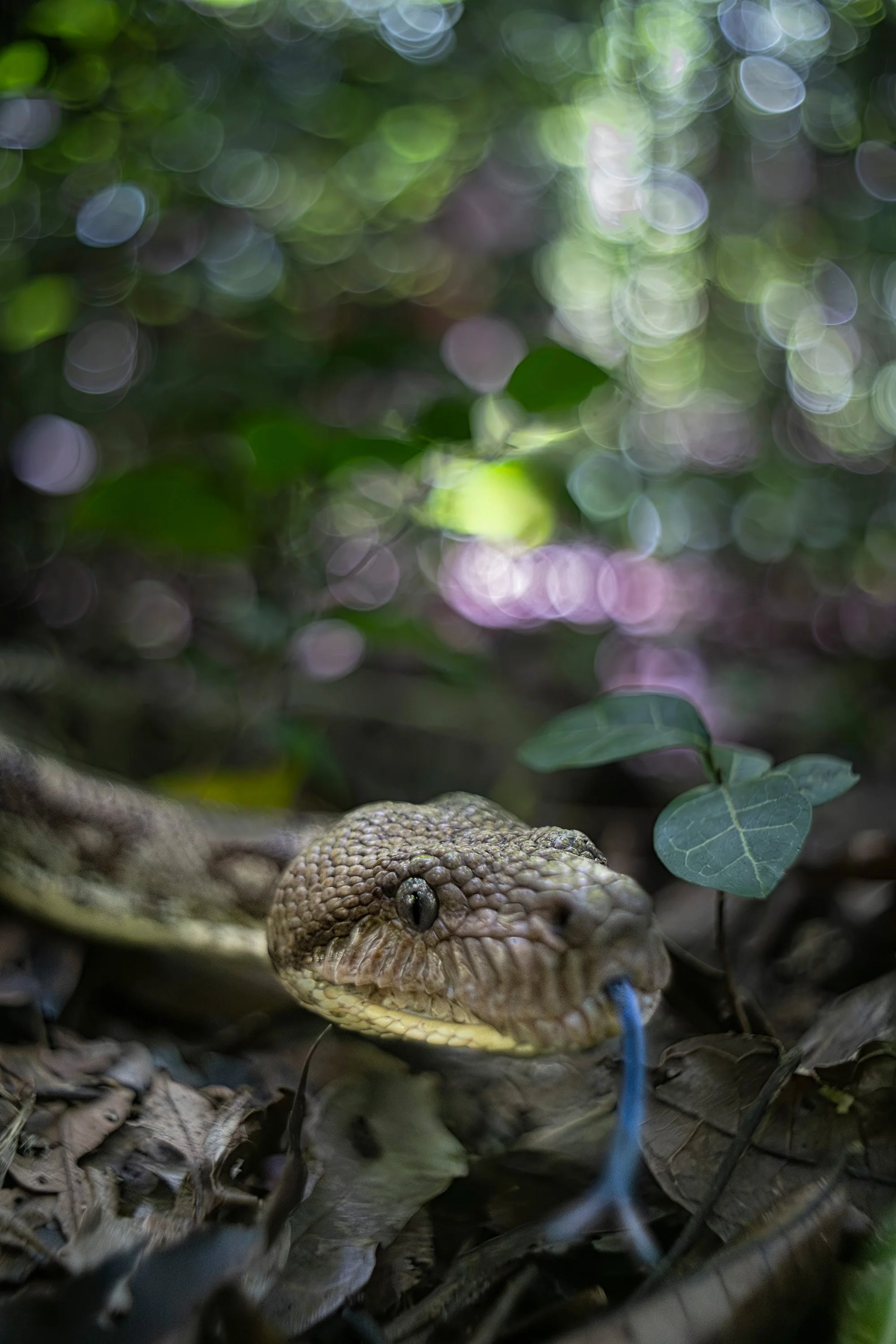
Madagascar ground boa (Acrantophis madagascariensis), Réserve spéciale d’Ankarana, Madagascar, Vintage lens.
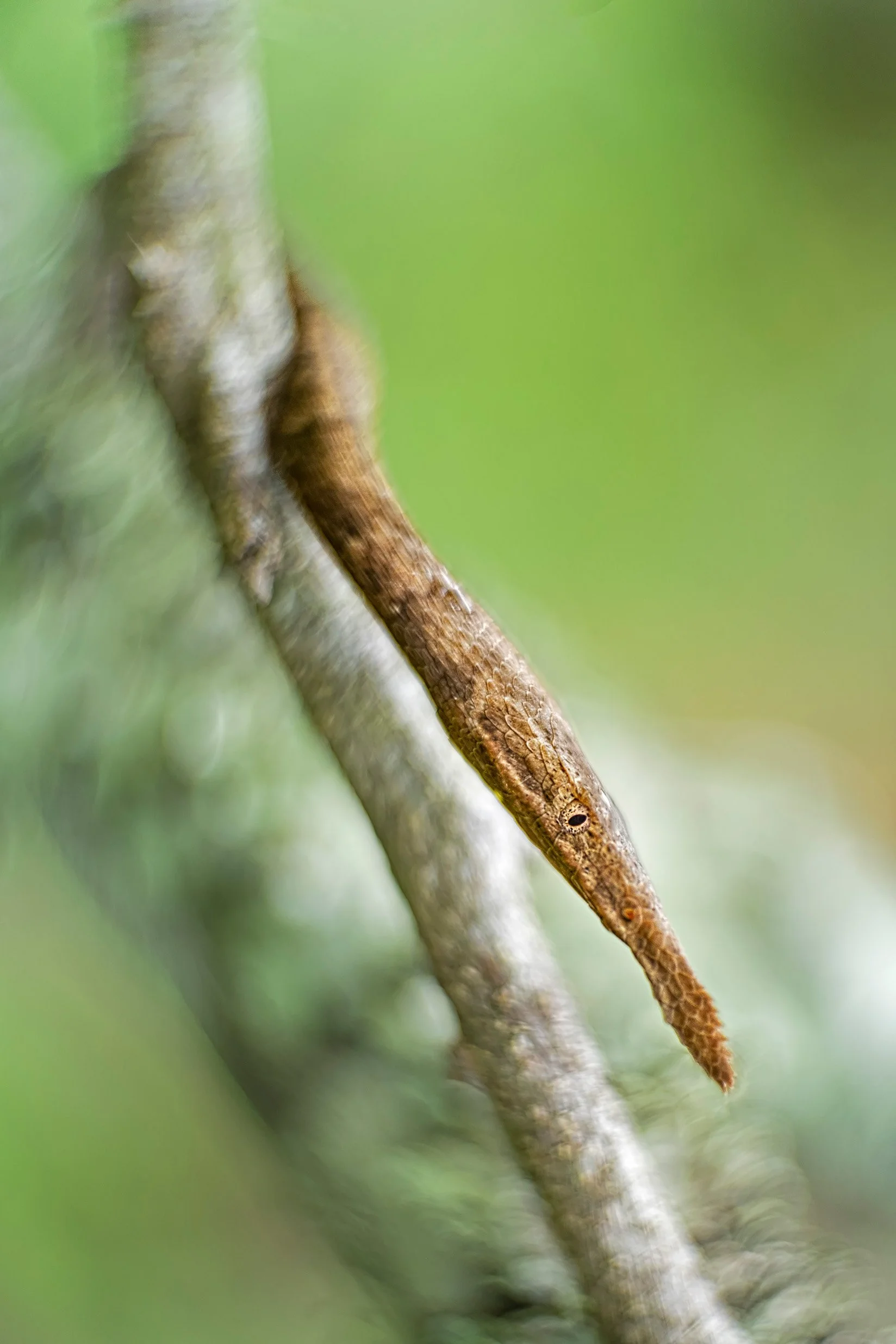
Madagascar leaf-nosed snake (Langaha madagascariensis) female, Andasibe Mantadia national park, Madagascar. Vintage lens.
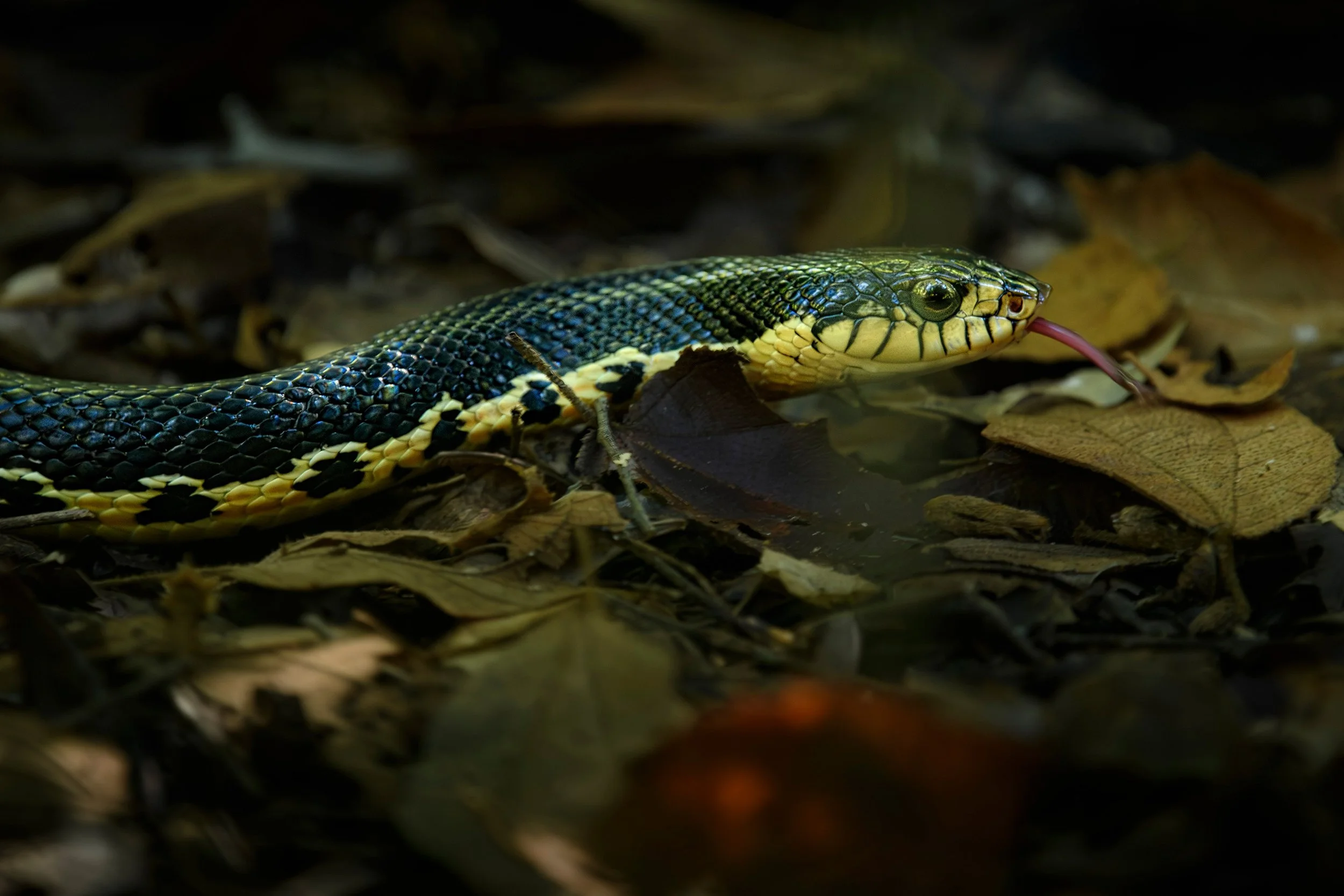
Giant Madagascan hognose snake (Leioheterodon madagascariensis), Kirindy Forest, Madagascar.
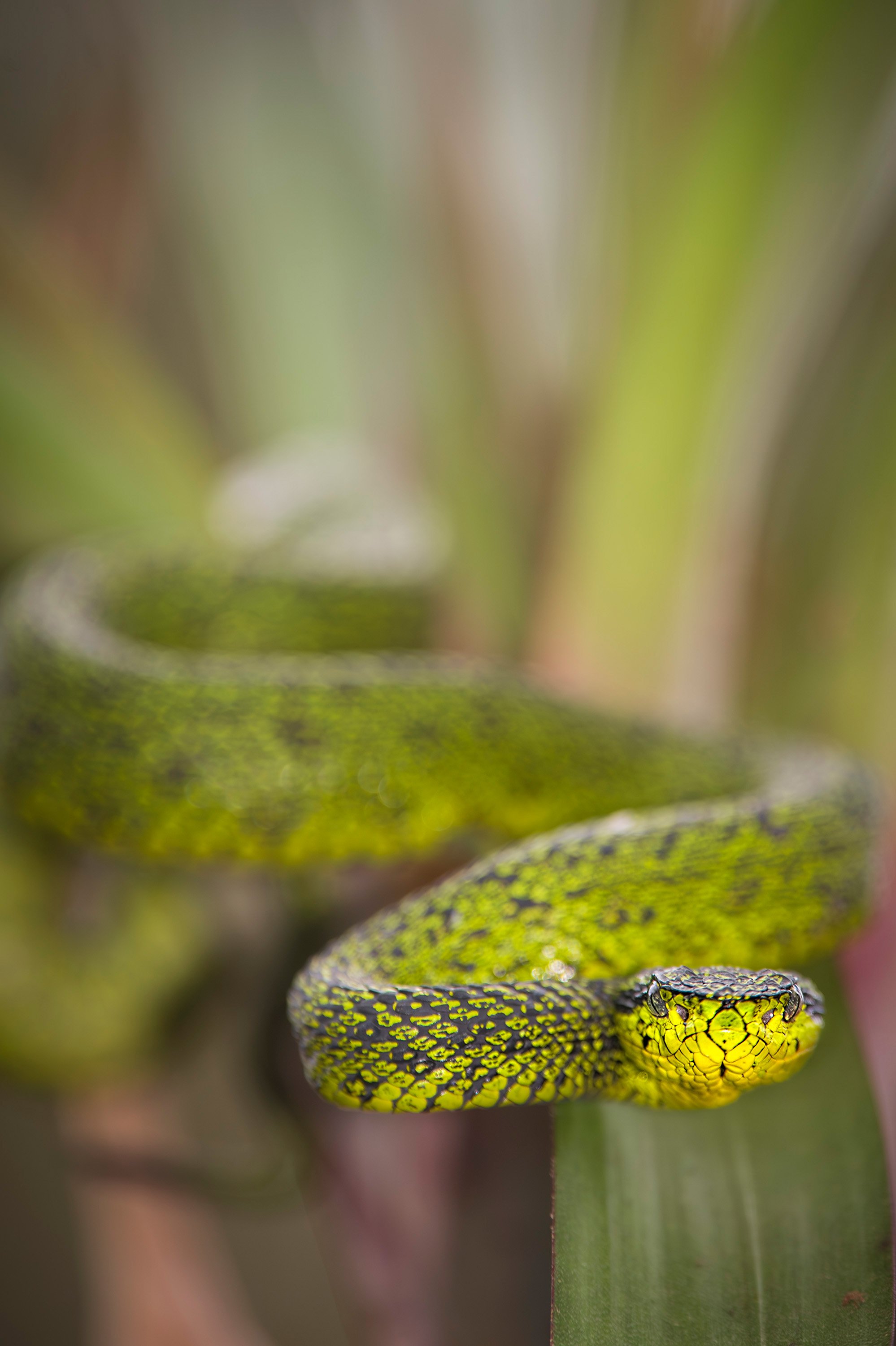
Talamanca palm pit viper (Bothriechis nubestris). Cerro de la Muerte, Costa Rica.
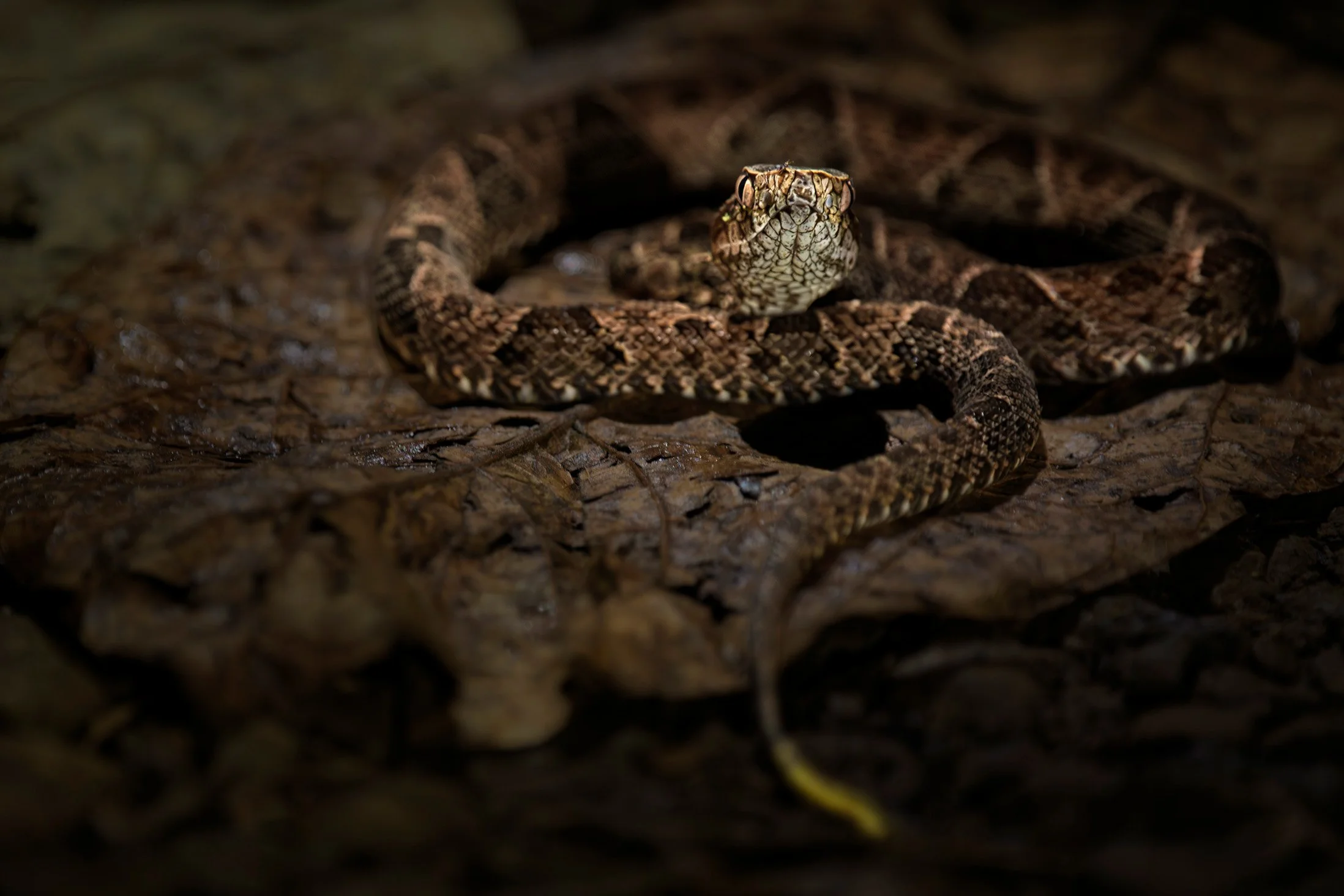
Fer-de-lance (Bothrops asper) male, Braulio Carrillo National Park, Costa RIca.
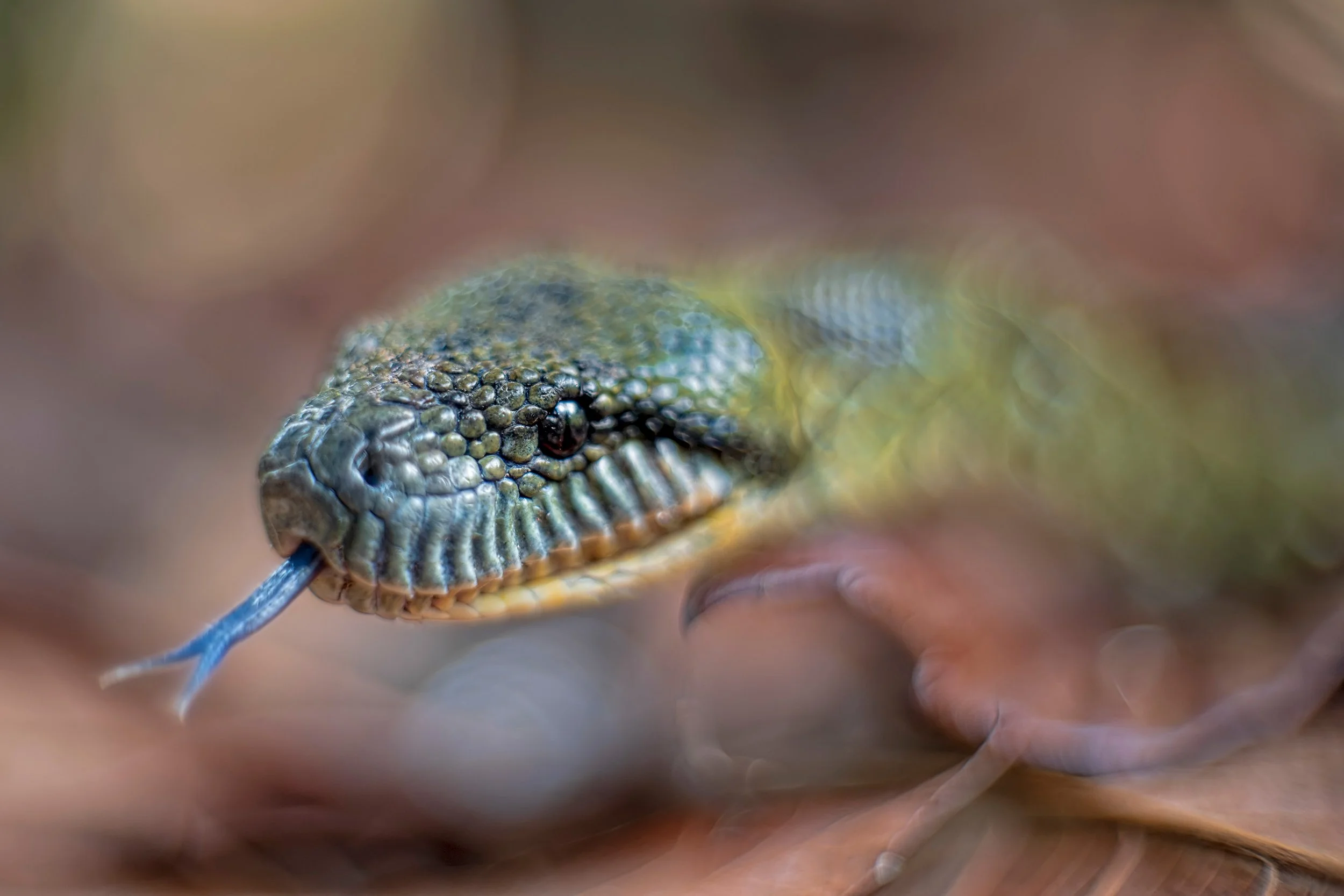
Madagascar tree boa (Sanzinia madagascariensis), Andasibe National Park, Madagascar. Vintage lens.
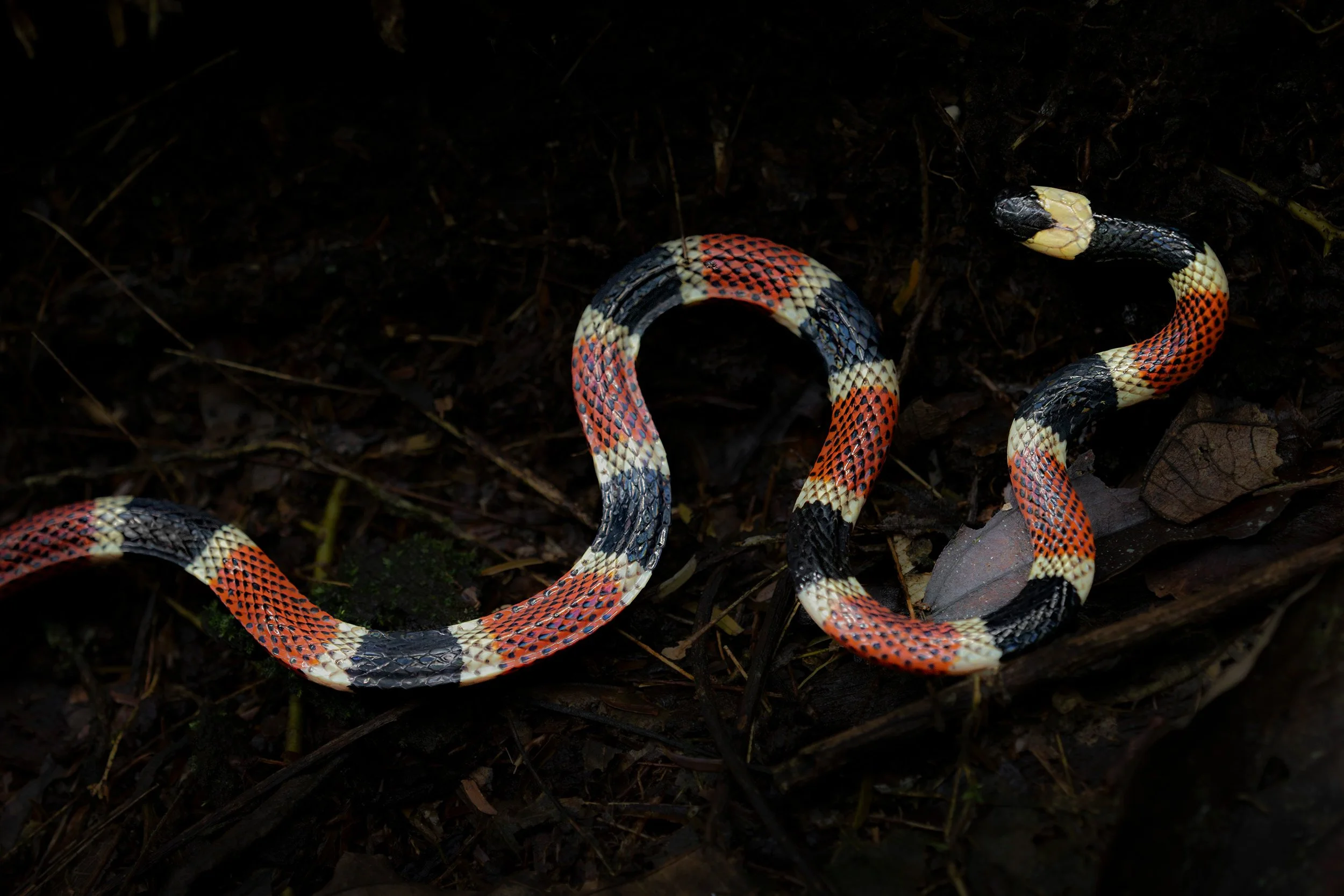
Central American coralsnake (Micrurus nigrocinctus), Guápiles, Costa Rica.
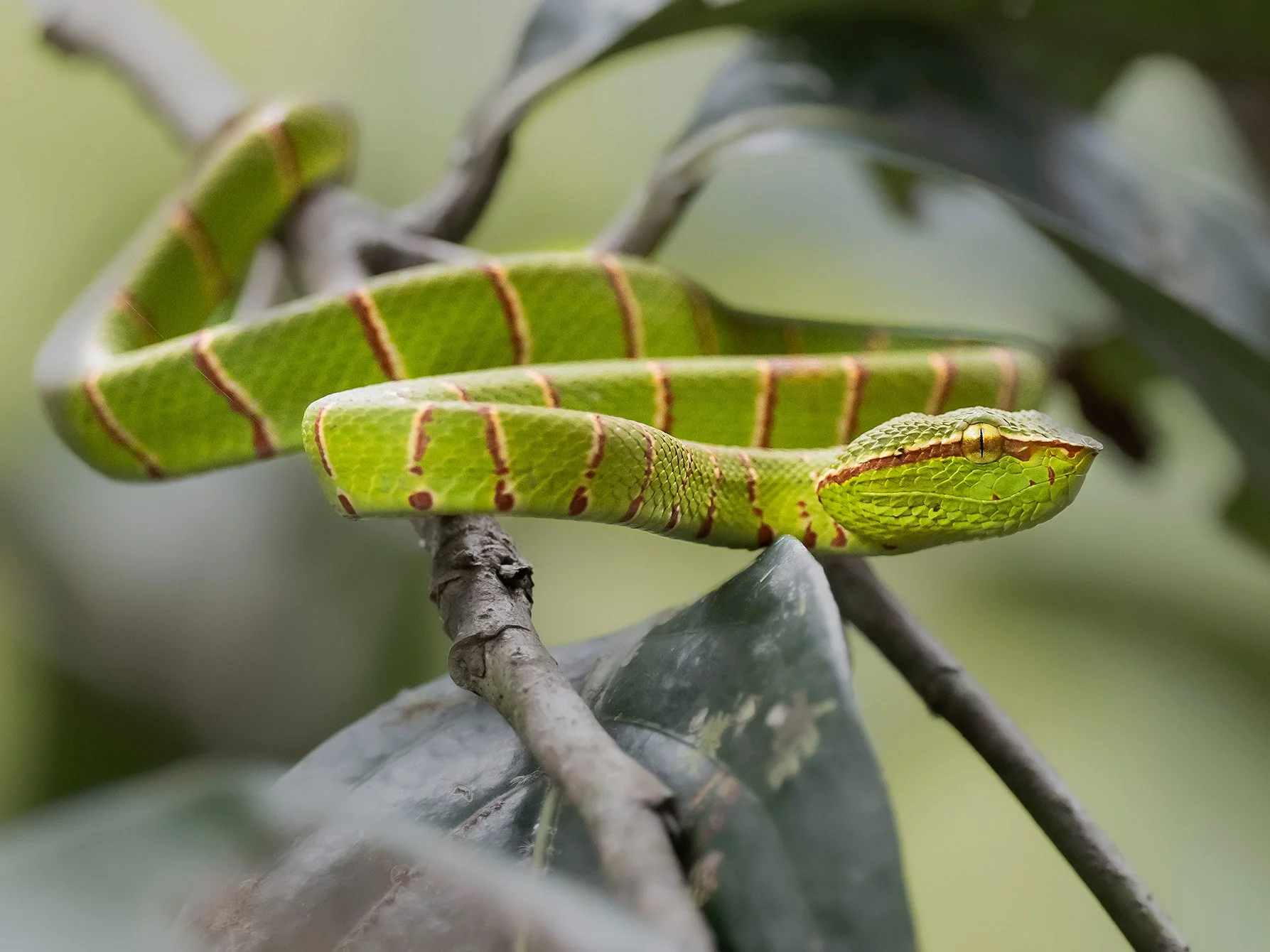
Bornean keeled pit viper (Tropidolaemus subannulatus). Sepilok, Borneo.
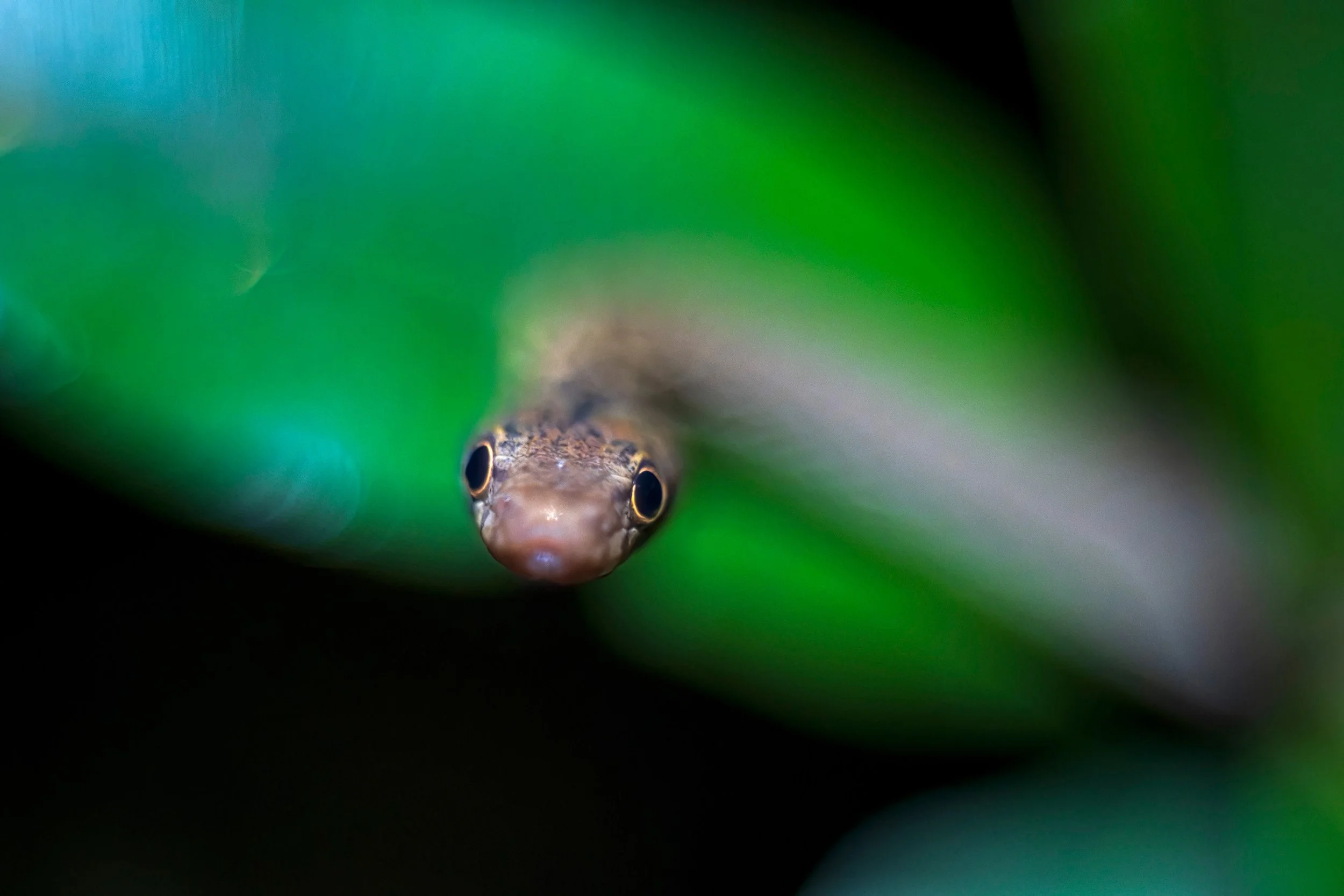
Perinet night snake (Ithycyphus perineti), Anjozorobe Angavo Protected Area, Madagascar. Vintage lens.